
TIRI MASAWI
For 17-year-old Ndamona Shikwambi, the Africa Green Energy Summit held last week was more than a gathering of policymakers, investors and industry experts.
It was a chance to find out whether Namibia’s green energy boom could open a door to the future she wants.
The aspiring electronic engineer, who completed Grade 12 last year, attended the summit in Swakopmund hoping to learn more about opportunities in the growing green energy industry.
“I finished my Grade 12 last year. I would like to be an electronic engineer. I have read a lot about the green hydrogen industries but I am not sure how to benefit. I hear there are opportunities for scholarships locally and abroad. I want to go abroad,” she told Namibia Business Review.
But behind her ambition is a challenge faced by many young Namibians.
Her parents, who live in the high-density Mondesa area of Swakopmund, cannot afford to finance her dream of studying abroad.
That is why the promises made at the summit matter to her.
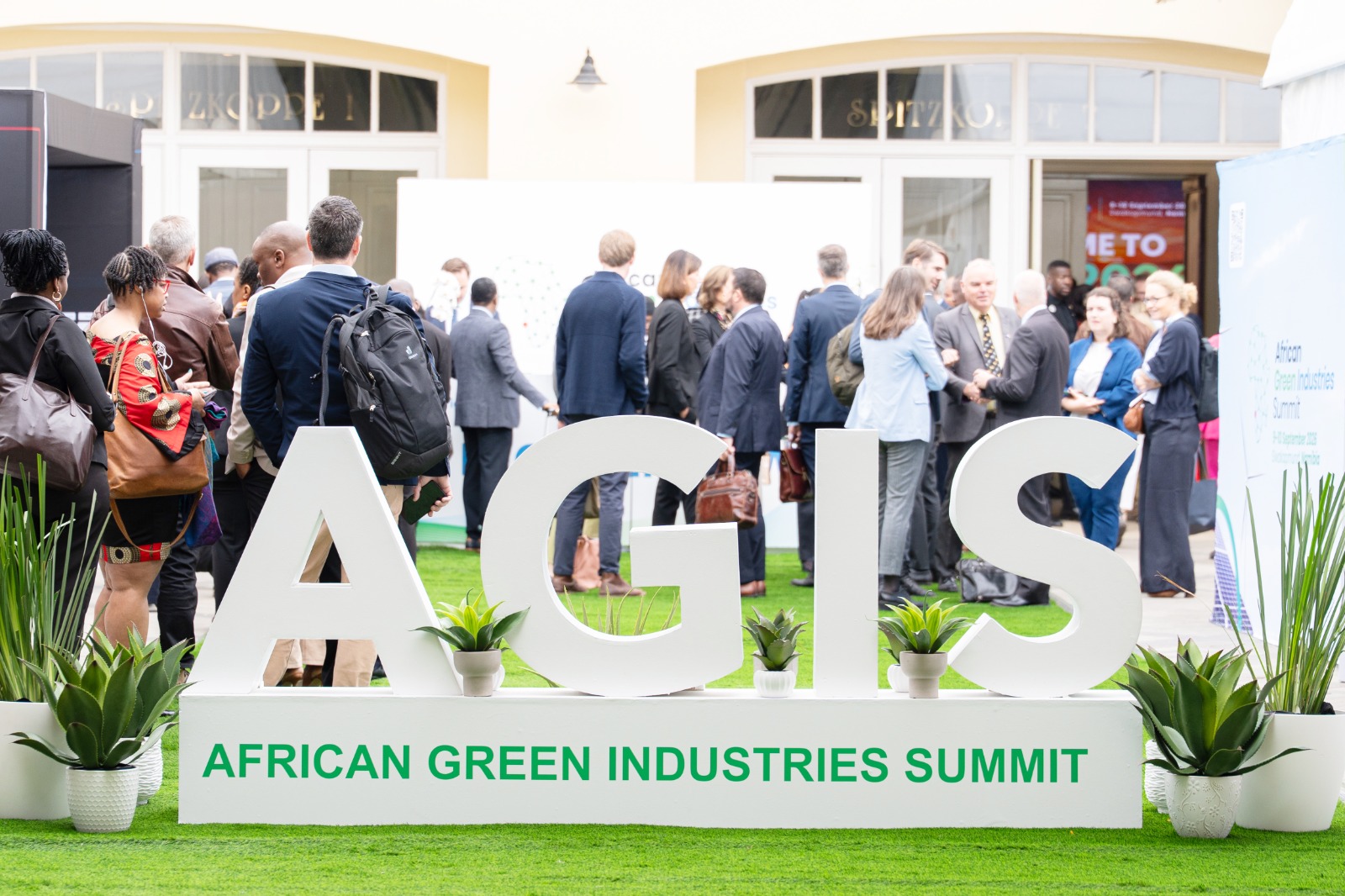
More than 600 delegates attended the summit last week to discuss how Namibia and Africa can benefit from the growing green industries.
Speaker after speaker spoke about billions of dollars in investment, new industries and the potential for jobs and economic growth.
For Shikwambi, however, the big question was much simpler: where does she fit into all of this?
“We always talk about working in the green hydrogen industries with my friends, but today I was listening to a lot of people talking. I am not sure how I will benefit,” Shikwambi said.
She said attending the summit was a first step.
“This is my first time on such a platform but I think I need to attend more and meet a lot of people so I learn about the potential scholarships,” she said.
Her story unfolded against the backdrop of a city that presented two very different realities.
Swakopmund hosted international delegates in a setting known for its hospitality, fine dining and scenery.
At the same time, in Mondesa, Shikwambi and her parents face the financial reality of trying to fund her education.
For her, the green transition is not simply about large projects, investment figures or industrialisation.
It is about whether those opportunities can reach young people like her.
‘INCLUDE OUR YOUTH’
That concern was also raised by Erongo Regional Governor Natalia ǀGoagoses.
She wants Namibia’s green transition to create tangible opportunities for young people, including jobs, scholarships and infrastructure investment.
Her message to those driving the green transition is simple: do not leave young people behind.
“I want such gatherings to include our young people. I would love to see the San and Ovahimba youths involved in these discussions. I want to see our young people learning and understanding these issues. We want to see jobs and opportunities for our young people in this green transition,” ǀGoagoses said.
She said Namibia’s plans to become an industrial hub and a major green energy player would mean little if the transition did not create economic opportunities for the people.
“Look around you, and if you don’t see them, make sure that whatever you are benefiting from this conversation, you definitely share it. I want to see the Himba tent coming and sitting next to you. I want to see that San tent come and sit next to you,” she said.
She said Erongo was already part of Africa’s green industrial future.
The region has solar and wind resources, mineral resources, the Port of Walvis Bay, logistics infrastructure and emerging investment in green hydrogen and related infrastructure.
BILLIONS ON THE TABLE
The potential opportunities are backed by billions of dollars in planned investment.
Over the past five years, the European Union and its member states, operating collectively as Team Europe under the EU’s Global Gateway Strategy, have committed €1.3 billion, about N$25 billion, in loans and grants to support Namibia’s transition to a sustainable, low-carbon economy.
The funding is intended to help unlock an estimated €20 billion, about N$400 billion, in private-sector investment.
The funding includes support for green hydrogen and ammonia production, renewable energy infrastructure, grid digitalisation, value addition and technical assistance.
But the size of the investment does not automatically answer the question asked by Shikwambi.
Namibia’s National Planning Commission Director General Kaire Mbuende said the country wants investments that can change people’s lives while protecting the environment.
“Green industrialisation can help us achieve these targets. NDP6 identifies green hydrogen as a source of sustainable growth and employment, with targets including 1.3 million tonnes of green ammonia per year, 2 million tonnes of direct-reduced iron, 143 Gigawatt-hour (GWh) of green baseload electricity, 30,000 green hydrogen-related jobs, and 30 percent local content and participation by 2030,” Mbuende said.
“These are not simply production targets,” he said.
He said projects such as HyIron Oshivela and the Daures Green Hydrogen Village show how green hydrogen could support low-carbon iron production, agriculture, fertiliser production, skills development and rural enterprise.
FROM IDEAS TO INVESTMENT
Namibia Investment Promotion and Development Board Acting Chief Executive Officer Julia Muetudhana said the benefits of the green transition would only become meaningful if they were connected to investment, technology, infrastructure, skills, markets and execution.
“Resources alone cannot create development. Investment, technology, partnerships and execution are what convert opportunity into true economic value,” she said.
Muetudhana said too many projects remained at the concept stage because they were not sufficiently prepared to attract investment.
She said there was often a gap between a good project idea and a bankable investment proposition.
That gap can include incomplete feasibility studies, limited market analysis, unclear revenue models, weak project governance and a lack of an appropriate financing strategy, she said.
The European Union’s Director of International Partnerships, Erica Gerretsen, said Africa had an opportunity to move away from exporting raw materials and instead create value locally.
“This means working alongside African partners and leaders to create this value locally, to strengthen skills, and to build mutually beneficial partnerships and value chains grounded in shared interests, in shared responsibility, and eventually in shared prosperity,” Gerretsen said.
For Shikwambi, those promises will only become real when they translate into an opportunity she can reach.
For now, she is attending the conversations, asking questions and looking for a scholarship that could take her closer to becoming an electronic engineer.
COMMENTS