
TIRI MASAWI
The Electricity Control Board (ECB) will spend about N$23 million over the next five years to implement its Integrated Strategic Business Plan (ISBP), aimed at strengthening Namibia’s energy sector through innovation, sustainability and inclusive growth.
ECB head of strategy and projects, Lydia Mlunga told Namibia Business Review last week that the plan is anchored on six strategic themes and reflects the regulator’s commitment to a secure, affordable and sustainable energy future for all Namibians.
She said the themes focus on strengthening energy regulation, improving regulatory impact, enhancing regional integration, adapting to evolving markets, improving stakeholder management, and ensuring organisational sustainability.
“The ECB is enhancing its oversight of cost structures across the electricity value chain to ensure that tariffs remain fair and reflective of efficient operations. The ECB has completed the development of the Performance-Based Multi-Year Pricing Tariff methodology. This revised tariff setting approach incorporates performance efficiency indicators, enabling the industry to anticipate tariffs over the short to medium term,” she said.
Her remarks come at a time when the ECB’s annual report for the 2024/25 financial year shows that about 1 956 households were electrified through a government intervention programme at a cost of N$75.5 million. Despite this progress, about 432 000 households remain unconnected to the electricity grid.
Mulunga said the ECB is committed to fully implementing the strategic plan to execute its mandate effectively. She added that the regulatory framework will be finalised with full stakeholder buy-in, particularly from both conventional power producers and independent power producers driving renewable energy.
She said efforts to improve generation capacity and reduce electricity imports have already resulted in several projects with a combined capacity of about 250 megawatts being implemented.
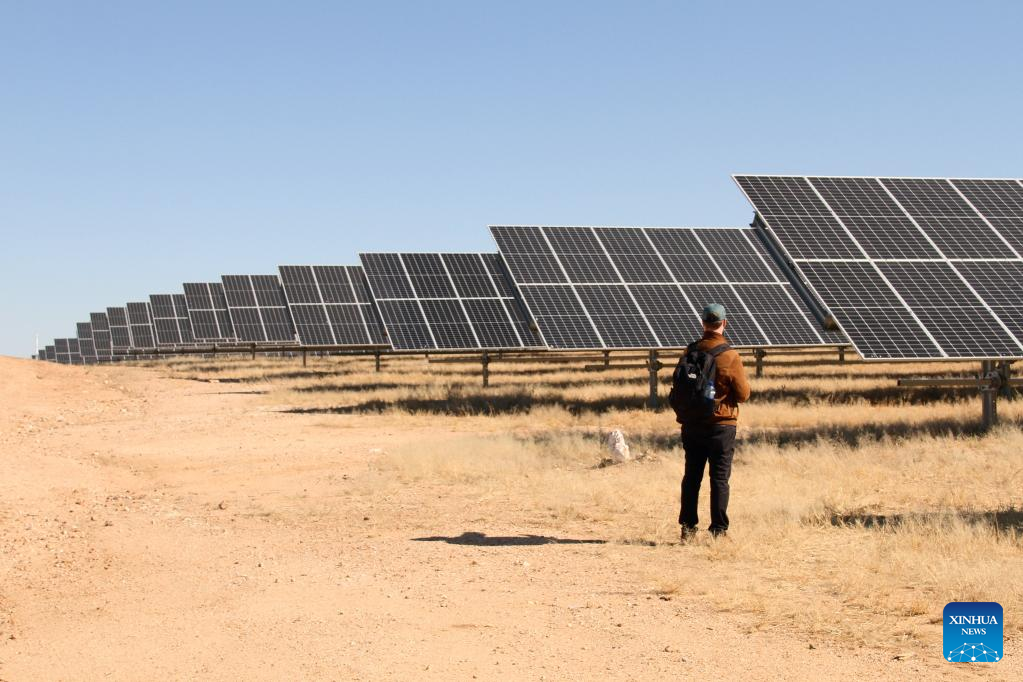
These include the 40MW Otjikoto biomass project, the 10MW Otjikoto solar power project, and the Erongo Battery Storage System, which is expected to generate between 52MW and 75MW.
“On energy security, we are intensifying supply-security monitoring and supporting the implementation of the National Integrated Resource Plan. This includes enabling increased local generation and diversifying our energy mix to include base load power generation. The ECB will continue strengthening compliance by industry players to ensure reliability of electricity supply,” she said.
Mulunga said the ECB is also working with government, regional electricity distributors and other stakeholders to expand access to electricity in a balanced and sustainable way. This includes the implementation of the Namibia Energy Compact under Mission 300, which aims to increase electricity access from 60% to 70% by 2030.
She said the ECB is also developing off-grid regulations and requiring licensees to contribute to electrification through licence conditions to ensure underserved and rural communities are not left behind.
“We are also promoting equitable access through the development of off-grid regulations and mandating licensees to contribute towards access via licence conditions. Through these measures, we aim to ensure that underserved and rural communities are not left behind, while maintaining the quality, reliability, and safety of electricity supply,” she said.
Mulunga further said the ECB will introduce more structured stakeholder engagement platforms, including consultative forums, public participation processes and improved communication channels in line with its Stakeholder Engagement Plan.
She said digitalisation will be central to improving transparency and responsiveness.
“By leveraging modern ICT systems, we will enhance transparency, improve access to regulatory information, and ensure more responsive engagement with stakeholders. This approach reinforces accountability and ensures that regulatory decisions are informed by diverse stakeholder inputs,” she said.
On the energy transition, Mulunga said the shift to renewable energy is essential for Namibia.
She said the ECB is developing regulatory frameworks to support the national energy mix, strengthening grid codes, improving system planning and supporting investments in technologies that enhance grid flexibility.
“At the same time, we ensure that tariff impacts are carefully managed so that the transition remains just and inclusive for all consumers. Our approach is to balance sustainability with reliability and cost-effectiveness,” she said.
COMMENTS