
STAFF WRITER
Namibia is intensifying efforts to attract green hydrogen buyers and investors as the country pushes to turn its ambitious green industrialisation plans into jobs and economic growth.
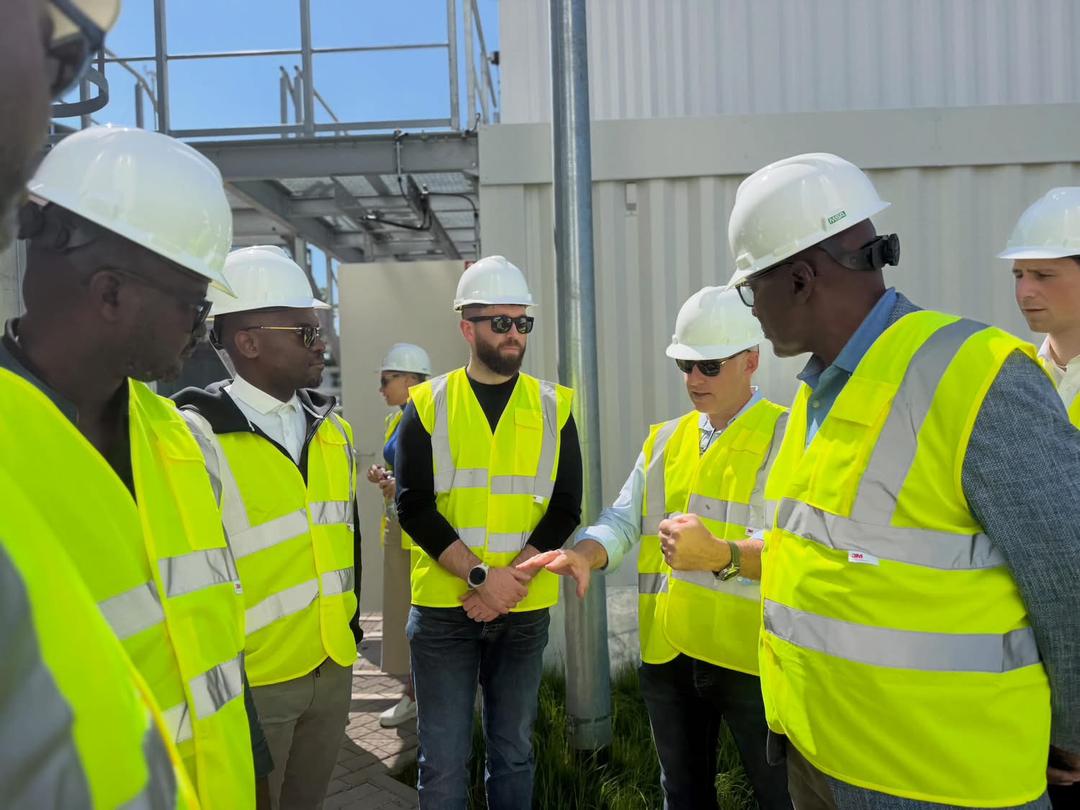
Speaking at the World Hydrogen Summit in the Netherlands this week, National Planning Commission Director General Kaire Mbuende urged international companies and offtakers to partner with Namibia in developing its green hydrogen industry.
Mbuende said Namibia wants investors and buyers to support the production of green hydrogen and related products in the country, with the government hoping the sector could create 30 000 green jobs by 2030.
“We don’t look at green hydrogen as a narrow energy project. It is at the core of our development agenda as a new frontier of growth and development,” he said.
His remarks come as Namibia faces growing pressure to secure long-term buyers for its planned green hydrogen exports amid concerns over production costs and the country’s distance from major export markets in Europe.
An Oxford University study cited by The Namibian last year warned that countries in North Africa and the Middle East could have a competitive advantage over Namibia because they are closer to Europe, which is expected to be one of the main markets for green hydrogen imports.
The study noted that shorter shipping distances and lower transport costs could make it easier for countries such as Morocco and Egypt to compete in the emerging market.
It further estimated that hydrogen production costs at the proposed Hyphen project could range between €5.43 (N$110) and €9.21 (N$190) per kilogramme, while overall project development costs were projected to rise from more than N$100 billion to around N$220 billion.
Despite these concerns, project developers and government officials maintain that Namibia remains among the world’s most competitive locations for green hydrogen production because of its strong solar and wind resources.
Mbuende said Namibia has identified several industries linked to green hydrogen that could attract investment and create value locally. These include solar panel manufacturing, wind turbine manufacturing, lithium refining, synthetic fuels production and hot briquetted iron production.
According to him, Namibia has already put policies and programmes in place to support the industry and attract investor confidence.
He said the country developed the Green Hydrogen and Derivatives Strategy to guide the sector, while the Green Industrialisation Blueprint launched in 2024 aligns hydrogen projects with industrial development plans.
“We have established the Namibia Green Hydrogen Programme to support the emerging ecosystem and promote investor confidence,” he said.
Mbuende said Namibia has already moved beyond the planning stage, with several projects currently under development.
“Today, Namibia has nine green industrial projects at different stages of development. These include the Daures Green Hydrogen Project, Cleanergy Solutions Namibia, Hyphen Hydrogen Energy, Envision-Zhero Ammonia Plant, Hydrogen de France, and HyIron Oshivelam,” he said.
He also stressed the importance of infrastructure such as ports, roads, rail, water systems and electricity networks in supporting the sector and attracting international buyers.
“No green hydrogen economy can emerge without ports, transmission systems, water infrastructure, roads, rail, storage, industrial land and efficient logistics,” he said.
Mbuende said Walvis Bay and Lüderitz are central to Namibia’s green hydrogen plans, with Walvis Bay expected to serve as a logistics hub for Southern Africa and Lüderitz playing a key role in the southern hydrogen corridor.
He added that Namibia has already signed cooperation agreements with major European ports to help position the country as a future green hydrogen export hub.
COMMENTS