
Eino Vatileni
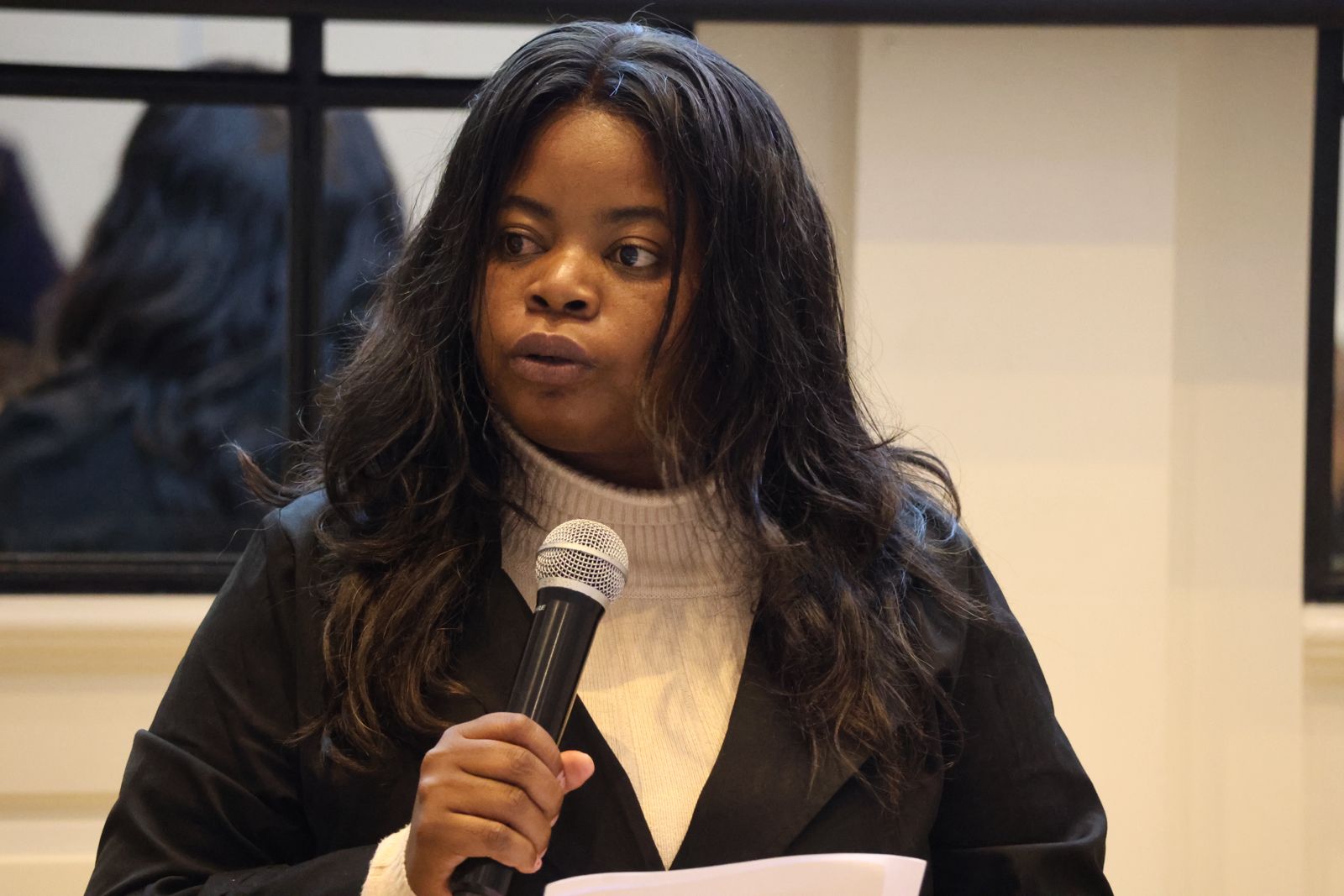
The chairperson of the Southern Africa Development Community Organization of Public Accounts Committees (SADCOPAC) sub-committees Inna Hengari said the organization is moving to finalize its strategic plan for the 2026-2030.
Hengari made these remarks on Monday while opening the operationalisation of the SADCOPAC Sub-Committees workshop in Swakopmund ahead of the upcoming SADCOPAC meetings and training on Wednesday.
She said over the course of the workshop, they will engage in rigorous deliberations that will shape the future trajectory of the association.
“Today, we will focus our collective intellect on the strategic direction of SADCOPAC. We will review and finalize the Draft Strategic Plan for 2026 to 2030, a blueprint that will dictate our goals, objectives, and key performance indicators for the next half-decade,” Hon. Hengari said.
She added that the organisation’s mandate is clear, which is to empower member states to effectively carry out their functions as oversight committees over public sector finances.
“In an era where the expectations of our citizens are higher than ever, our role in ensuring sound management practices and the efficient use of public resources is not merely administrative, it is a moral imperative,” she said.
Hengari said during the workshops they will also conduct thorough due diligence on proposed partnerships, ensuring that every alliance they forge strengthens their capacity to deliver on their mandate.
“Furthermore, we will lay the groundwork for the upcoming PACs Training and the SADCOPAC Conference in Eswatini, ensuring that our themes and logistical arrangements are executed with precision,” she added.
According to Hengari, over the next two days, their attention will turn to the bedrock of their governance structures.
“We will systematically review the SADCOPAC Constitution, ensuring that our foundational document remains aligned with our current operational realities. We will also deliberate on the Policy for the Elections of Office Bearers, crafting a framework that guarantees transparency and fairness in our electoral processes. These tasks require not only our attention but our utmost dedication, foresight, and political maturity,” she added.
She added, “the work we undertake here must transcend the tenure of any individual leader or chairperson. We are not building monuments to personalities; we are constructing institutional frameworks that will endure long after we have departed from our respective offices. History teaches us that nations and organizations that have faltered are those that became dependent upon the charisma or capabilities of a single individual.”
The workshops are held under the theme,” “Strengthening Oversight Capacities for Sustainable Development: Enhancing Accountability and Transparency in Public Financial Management.”
COMMENTS