
TIRI MASASS
Southern African Customs Union (SACU) leaders have welcomed joint regional operations that led to the seizure of illicit tobacco products worth N$479 million, describing the crackdown as a major step in fighting cross-border smuggling.
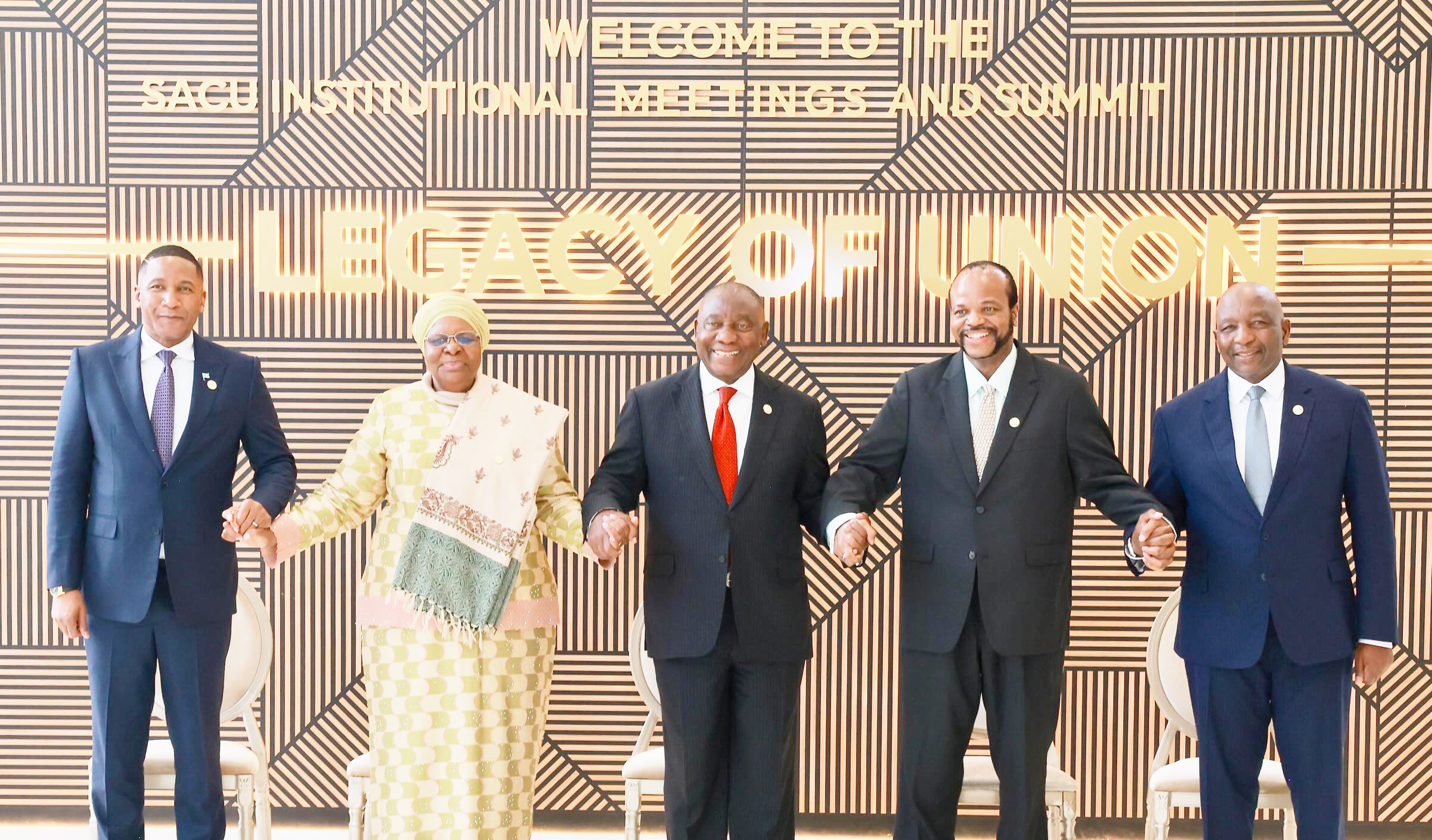
The leaders of Namibia, South Africa, Botswana, Lesotho and Eswatini met over the weekend, where they discussed ways to strengthen cooperation against illicit trade, particularly the smuggling of tobacco products.
According to the South African Revenue Service (SARS), the region lost an estimated N$40 billion (US$2.4 billion) in tobacco excise revenue between 2020 and 2025 because of the illegal trade.
In a communiqué issued after the ninth SACU Summit, the Heads of State and Government committed themselves to working more closely to tackle the growing impact of illicit trade on the regional economy.
The summit was attended by South African President Cyril Ramaphosa, Namibian President Netumbo Nandi-Ndaitwah, Botswana President and new SACU chairperson Duma Boko, Eswatini’s King Mswati III and Lesotho Prime Minister Ntsokoane Matekane.
“The Summit further welcomed the commencement of regional initiatives on the approach to be adopted by SACU for identifying and packaging hard and soft infrastructure development projects; the development of the regional framework for trade digitalisation and digital transformation; and the streamlining of the administration of Sanitary and Phytosanitary measures (SPS), Technical Barriers to Trade (TBT), and Non-Tariff Barriers (NTBs),” the communiqué said.
The leaders also welcomed the continued implementation of the Authorised Economic Operator (AEO) Programme, saying it has helped curb illicit trade by creating a network of trusted traders monitored through a risk management system.
They further expressed satisfaction with ongoing work to develop seamless, non-stop border trading within the Common Customs Area.
South Africa remains the biggest contributor to SACU, transferring about N$50 billion each year to Namibia, Botswana, Lesotho and Eswatini.
The summit also voiced concern over growing protectionism, unilateral policies and ongoing global conflicts, saying these developments continue to affect SACU member states.
“The economic ramifications of these developments include disruptions in supply chains, elevated energy and food prices, and a subdued global growth outlook. Notwithstanding this, the Summit noted the increase in South-South cooperation which mitigates against the negative spillover effects of the current developments,” the communiqué said.
The leaders reaffirmed that industrialisation, export growth and investment promotion remain central to SACU’s long-term development.
They noted progress in developing regional value chains, attracting investment and promoting cross-border industrial cooperation.
The summit also highlighted work in the automotive sector, including plans for battery value chains, component manufacturing and green mineral beneficiation.
The leaders urged SACU ministers to speed up the implementation of cross-border industrial projects to strengthen the regional economy.
On the African Continental Free Trade Area, the summit welcomed progress in implementing tariff liberalisation commitments and called on member states to make full use of the agreement to improve resilience and reduce the impact of global supply chain disruptions. NBR
COMMENTS