
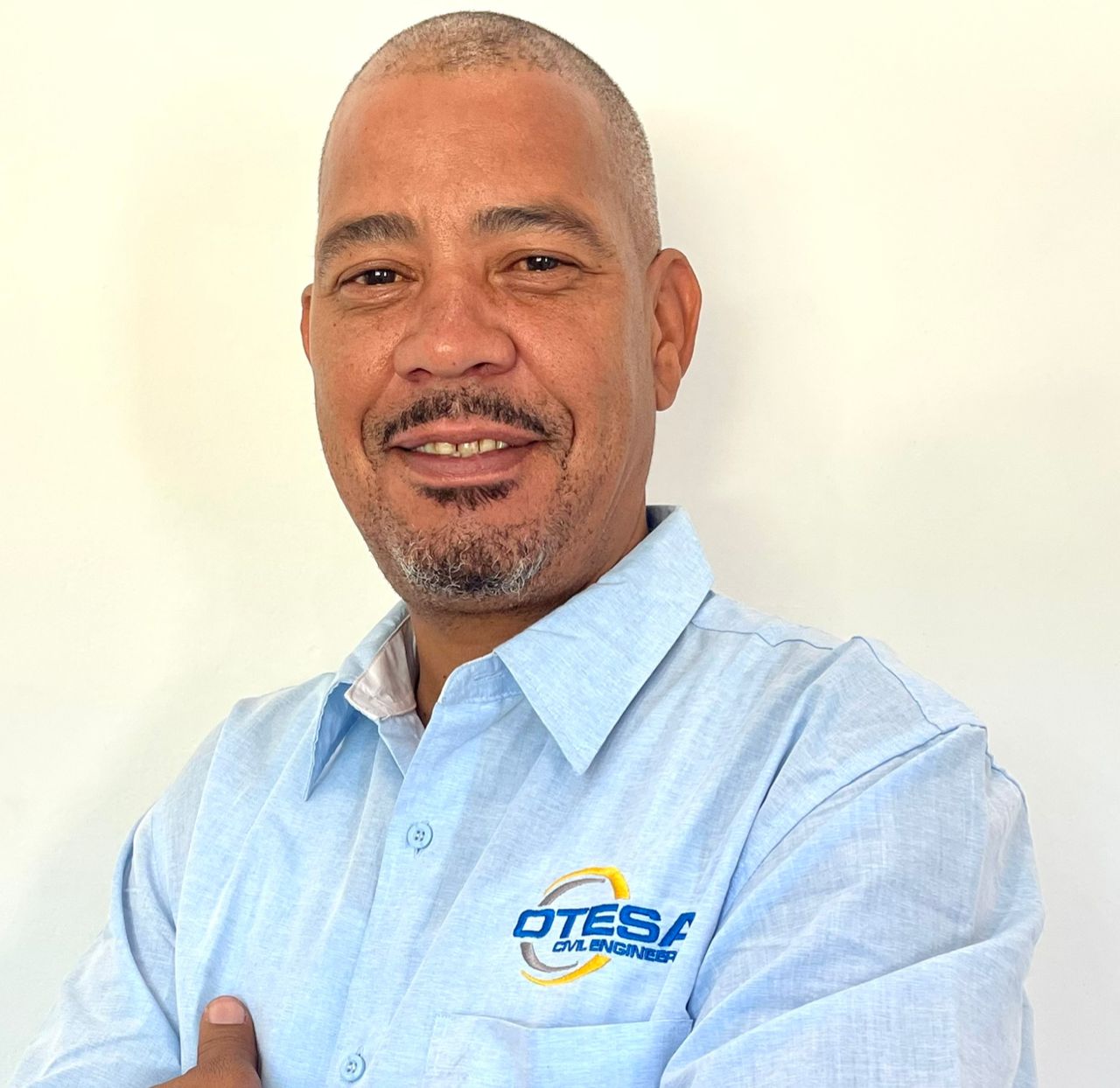
Rudolf Basson
As we mark World Day for Safety and Health at Work 2026, the global focus on healthy psychosocial working environments arrives at a critical moment for the construction industry.
For decades, safety in construction has been defined by what we can see: hard hats, harnesses, signage and compliance protocols. While these remain essential, they are no longer sufficient. The reality is this: a worker’s state of mind can be as dangerous or as protective as any piece of equipment on site. As an industry, we have not moved fast enough to reflect that.
Construction is inherently high-pressure, tight deadlines, physically demanding conditions, remote sites and extended time away from family place significant strain on workers. These pressures are often normalised within a culture that values resilience and endurance. However, the long-standing “push through” mindset is not without risk.
Fatigue, stress and distraction are not abstract concerns they are direct safety hazards.
A fatigued worker has reduced reaction time, impaired judgement and a diminished ability to recognise danger. In many cases, the effects of fatigue can mirror alcohol impairment. When a worker is mentally preoccupied whether by work pressures or personal challenges, they are not fully present. On a construction site, even a moment of
inattention can have profound consequences.
At OTESA Civil Engineering, we recognise that psychosocial safety is physical safety. While we do not have a standalone wellness programme, psychosocial health is embedded within our SHEQ (Safety, Health, Environment, and Quality) framework.
Our approach is practical and integrated into daily operations managing fatigue as a safety risk, reinforcing clear communication, incorporating mental awareness into toolbox talks and empowering supervisors to monitor both performance and well-being. The principle is simple: a distracted worker is an unsafe worker.
Leadership plays a critical role in this environment.
On construction sites, culture is shaped in real time by supervisors and site managers. Effective leadership goes beyond enforcing rules; it requires awareness, empathy and engagement. Creating a space where
workers feel comfortable speaking up, recognising signs of stress or fatigue and prioritising human connection are essential to reducing risk. Sometimes, the most impactful shift is also the simplest: asking “How are you doing?” before asking “How is the work progressing?”A key challenge remains the culture of silence around mental well-being. In an industry historically defined by toughness, speaking about stress is often misunderstood as weakness.
At OTESA, we are working to shift this mindset by reinforcing a culture of looking out for your mate not only in terms of physical safety, but also mental and emotional well-being. Psychosocial safety thrives in environments where people feel seen, heard, and supported.
The benefits of this approach extend beyond safety. Workers who are mentally present and well-supported make fewer errors, reduce rework, and contribute to more efficient project delivery. In contrast, environments that overlook psychosocial risks often experience higher incident rates, reduced productivity, and increased turnover. Investing
mental well-being is therefore not only a moral responsibility it is a strategic imperative.
As we reflect on World Day for Safety and Health at Work, the construction industry must move from safety as a rule to safety as a culture. For OTESA, this means continuing to integrate psychosocial awareness into everyday practices, strengthening leadership capability, and encouraging open dialogue across all levels of the organisation.
Safety must be redefined. It is not only about ensuring that workers leave site without physical injury, but that they return home physically safe, mentally clear, and emotionally well.
This World Day for Safety and Health at Work, the message from OTESA Civil Engineering is clear: Your mind is your most crucial tool. Take care of it as well as you take care of your equipment.
Because the future of safety in construction will not be defined only by what we protect but by how well we understand the people we are protecting.
COMMENTS