
IMELDA AMBONDO
Prime Minister Elijah Ngurare said the 2023–2025 drought devastated Namibia, depleting 84% of national food reserves and leaving over 1.4 million people severely food-insecure.
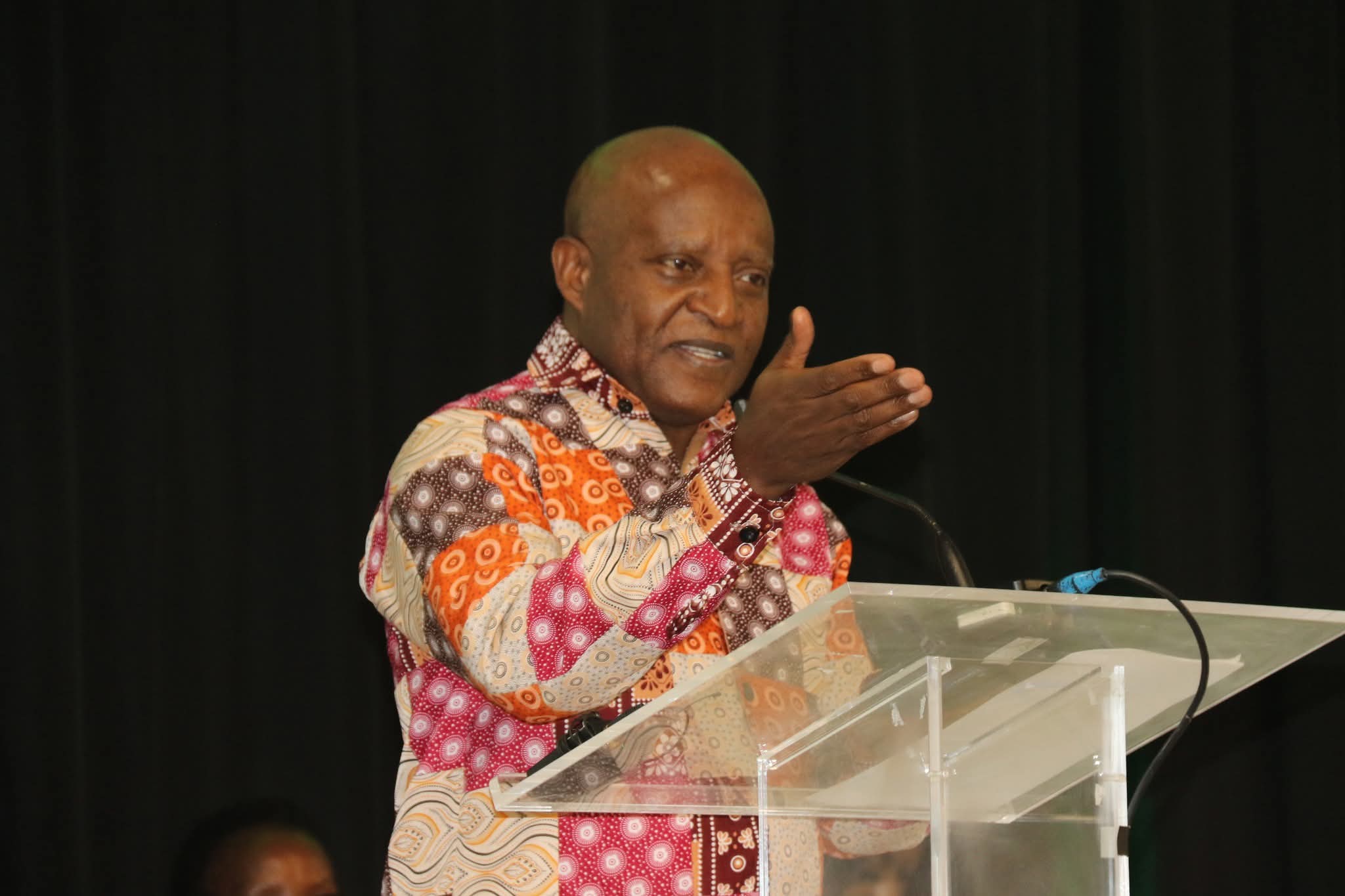
Speaking at a workshop themed “Environmental Stewardship and Gender Mainstreaming for State Resilience to Shocks and Disasters” on Monday, Ngurare said Namibia is intensifying efforts to strengthen national resilience following years of extreme climatic shocks.
He said the government declared a State of Emergency on 22 May 2024, rolling out a nationwide drought relief program that concluded in June 2025.
“The success of this programme depended on strong coordination between the Office of the President, line ministries, regional councils, local authorities, traditional leaders, and international partners including the World Food Programme,” Ngurare said.
Ngurare acknowledged the pivotal role of the private sector in cash and in-kind contributions.
Looking ahead, the Prime Minister said that resilience will be measured through concrete targets under Vision 2030 and National Development Plan 6: Reduce food insecurity from 56% to 34%, increase social protection coverage from 74% to 85%, and boost local food production from 40% to 80%.
Ngurare said there is a need for gender-responsive and socially inclusive policies, integrated across all sectors and levels of government.
“Preparedness is key. Every ministry, every agency, every local authority must be ready to absorb shocks and recover stronger,” he said.
Ngurare said Namibia has vast potential.
“Our population is just 3 million, yet our landmass is larger than Germany and France combined. With strategic planning, flood water harvesting, desert agriculture, and prudent water management, we can turn these numbers into resilience.”
The Prime Minister revealed regional partnerships, such as plans with Algeria to pilot desert agriculture in the Erongo region, as part of efforts to mitigate the impacts of climate change and water scarcity.
“Governance, coordination, and national leadership are the pillars of our resilience. The time for action is now. I urge Namibians to participate in building a more resilient, food-secure, and disaster-ready nation,” he said.
COMMENTS