
TIRI MASAWI
Namibia has made N$490 million from issuing visas on arrival in the past one year.
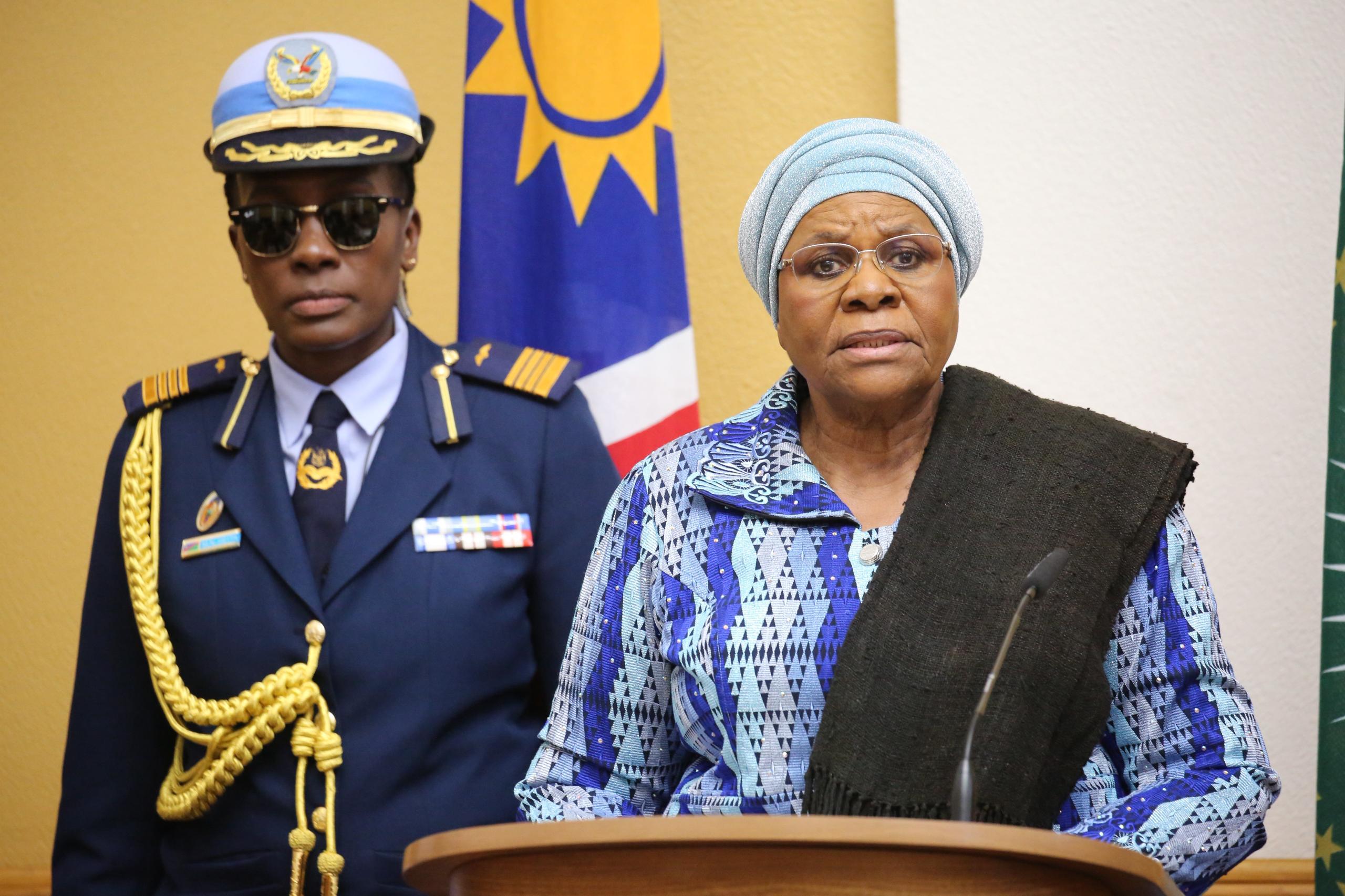
Announcing her second State of the Nation Address on Wednesday President Netumbo Nandi-Ndaitwah said the Ministry of Home Affairs and Immigration, Safety and Security has made tremendous progress since the introduction of the Visa on Arrival system on 1 April 2025.
“ Close to 344,000 visas were issued, generating over N$490 million for the state coffers. To attract investment, an investment visa will soon be introduced, and bottlenecks related to immigration services are being addressed,” she said.
The President added that the government continues to honor the sacrifices of the veterans of the National Liberation Struggle and to support the dependents of deceased veterans.
“In this regard, a total of N$1.28 billion was invested in programs and projects to improve veterans’ welfare. The fishing sector remains a vital part of Namibia’s economy, contributing 4.1% to GDP, generating N$14.3 billion in exports, and supporting over 21,000 direct jobs across the value chain 48142,” she said. T
She said the government promoted local value addition through the 70:30 policy ratio, which requires that fish quotas be processed onshore to maximize employment opportunities.
“We are currently at 100% for Monk and 80% for Hake, and soon the
The latter will also be processed locally at 100%. However, there is a general downward trend in the main regulated species for Total Allowable Catch (TAC), raising concerns about the sector’s long- term sustainability and productivity,” she said.
She added that while the country continues with science-based fisheries management, recent stock assessments reveal that several key commercial species are under increasing pressure.
“This highlights the urgency of adaptive management and strengthened conservation efforts to safeguard the future of Namibia’s fisheries and the livelihoods they support,” she said.
COMMENTS