
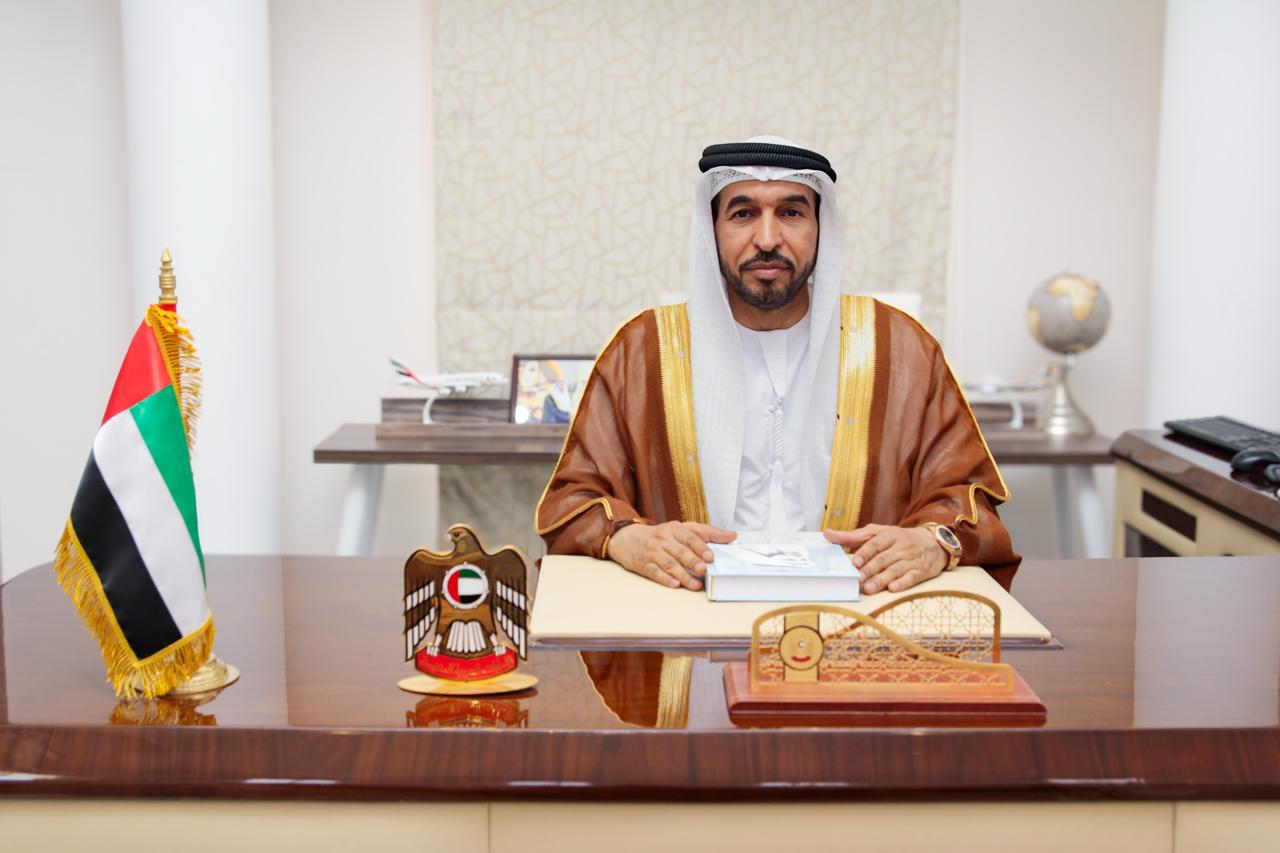
MAHASH ALHAMELI
Abu Dhabi is set to host a major milestone in global water diplomacy as the United Arab Emirates and Senegal prepare to co-host the 2026 United Nations Water Conference from 8 to 10 December 2026.
The gathering will be the third dedicated UN Water Conference in history, following the first in Mar del Plata, Argentina in 1977 and the second in New York in 2023, which was co-hosted by the Netherlands and Tajikistan.
The 2026 conference carries particular diplomatic significance as the first UN conference of its kind to be co-hosted by two countries from the Global South. In bringing together governments, international organizations, civil society, academia, youth representatives and Indigenous Peoples, the conference is expected to reinforce international cooperation around one of the world’s most urgent development challenges: ensuring access to safe water and sanitation for all.
At the heart of the conference is Sustainable Development Goal 6, which calls for the availability and sustainable management of water and sanitation worldwide. The UAE and Senegal have positioned the conference as a platform to accelerate implementation, strengthen partnerships, mobilize finance and translate political momentum into practical initiatives.
Preparations began informally in May 2024 before the co-hosts received their official mandate through a United Nations General Assembly resolution in September 2024. The resolution sets out the rules and procedures for the three-day conference, which will include national plenaries and six interactive dialogues designed to encourage substantive, non-negotiated exchanges.
The six interactive dialogue themes, adopted by consensus in July 2025, will focus on Water for People, Water for Prosperity, Water for Planet, Water for Cooperation, Water in Multilateral Processes, and Investments for Water. Their adoption by consensus was viewed as an important indicator of shared commitment on an issue that often reflects complex national priorities and regional concerns.
The dialogue tracks will be led by co-chair countries appointed in January 2026: Ghana and Switzerland for Water for People; China and Spain for Water for Prosperity; Egypt and Japan for Water for Planet; Zambia and Finland for Water for Cooperation; Mexico and Germany for Water in Multilateral Processes; and South Africa and France for Investments for Water.
For Namibia, these themes carry clear and practical relevance. Given the country’s geographic realities, water management has long been a key national priority. As one of the most water-stressed environments in the region, Namibia has long treated water management as central to resilience and sustainable development. Its national experience – from drought preparedness and integrated water resources management to innovation in supply, reuse and sustainable infrastructure – aligns closely with the type of implementation-focused cooperation that the Abu Dhabi Conference seeks to advance. The Conference offers an opportunity for Namibia to share its experience and priorities while exploring partnerships that strengthen resilience in arid environments and support communities, livelihoods and sustainable development.
A key milestone in the preparatory process was the High-Level Preparatory Meeting held in Dakar from 26 to 27 January 2026. The meeting brought together ministers, senior officials, UN entities, international organizations, non-governmental organizations, civil society representatives, academic experts, youth and Indigenous Peoples. It also marked the first in-person convening of the selected co-chairs, who began focused discussions on their respective themes ahead of the Abu Dhabi conference.
Through the preparatory process, the UAE and Senegal have adopted an inclusive and consultative approach, engaging Member States and stakeholders to ensure that the conference reflects global priorities, emerging challenges and practical opportunities for progress. For the UAE, the conference reflects its broader diplomatic emphasis on partnership, innovation and sustainable development, particularly in areas where water resilience, financing and technology can support long-term solutions.
The conference’s mandated outcome will take the form of a summary of proceedings prepared by the Presidents of the Conference. This summary is expected to highlight opportunities for enhanced cooperation and accelerated collective efforts to support the implementation of SDG 6, while reflecting the conference’s role as a platform for dialogue and practical engagement rather than a negotiated political declaration.
The timing of the Abu Dhabi conference further underscores its importance. It follows the 2023 UN Water Conference and comes ahead of the 2028 UN Water Conference in Dushanbe, which will mark the conclusion of the Water Action Decade 2018–2028. As such, the 2026 gathering is expected to serveas a bridge between renewed global attention on water and the final push toward measurable progress by 2028.
As co-host, the UAE is expected to play an important convening role, helping to mobilize partnerships and encourage practical cooperation across regions. The UAE has emphasized the importance of global partnerships in advancing water resilience, innovation, sustainable water management, financing and implementation-oriented solutions. With Abu Dhabi serving as the host city, the 2026 UN Water Conference is poised to provide an important diplomatic platform for renewed international engagement on water as a foundation for sustainable development, stability and shared prosperity.
Mahas Alhameli is the UAE Ambassador to South Africa, Namibia, Eswathini, Lesotho and Botswana
COMMENTS