
TIRI MASAWI
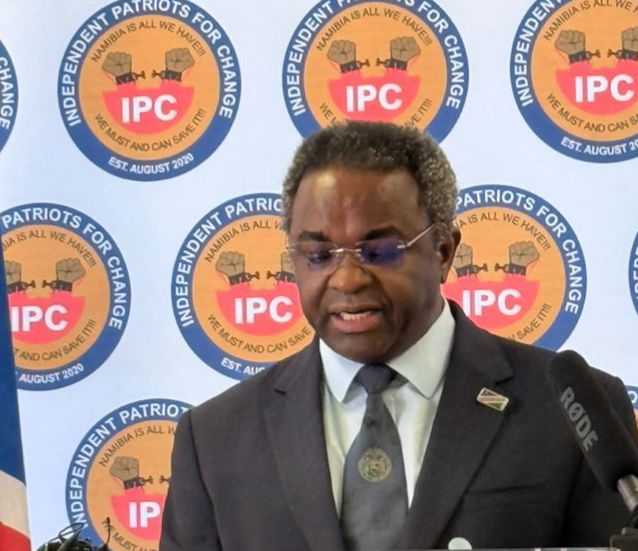
Independent Patriots for Change (IPC) president Panduleni Itula has called for the complete withdrawal of the Exploration and Production Amendment Bill, 2025 from parliament.
The Bill among other things seeks to introduce a raft of measures which centralises control of the Upstream oil and gas sector under President Netumbo Nandi-Ndaitwa’s control.
Critics have been harsh on the bill for apparently creating too much power in the President Netumbo Nandi-Ndaitwah’s hands, exposing the new industry to corruption and watering the powers of the minister of industry, mines and energy as well as the petroleum commissioner.
Addressing a press briefing on Tuesday Itula called on “lawmakers across all parties, civil society, and all Namibians who value constitutionalism to reject this centralisation and insist on a lawful, accountable upstream governance architecture and to withdraw the Bill.”
Itula asked for the tabling a formal legal opinion in Parliament addressing constitutionality, separation of powers implications, and Article 18 administrative justice safeguard and provision of a governance model that preserves a clear and accountable line-Ministry mandate, professional upstream administration under ministerial responsibility, and transparent
appointment, reporting, and review mechanisms consistent with the Constitution.
“The Independent Patriots for Change (IPC), as the Official Opposition, places on record its firm objection to the Petroleum (Exploration andProduction) Amendment Bill, 2025 , which seeks to transfer
core upstream petroleum powers from the responsible Minister to the President and to a Presidency-controlled Upstream Petroleum Unit,” Itula said.
Itula said his opposition to the Bill is meant to make sure there is transparency in the industry.
“Let us be unequivocal, the IPC supports Namibia becoming a petroleum-producing nation. The Venus and Mopane discoveries present generational opportunities. We want first oil to flow, what we do not want is for first oil to become the first oil related scandal,”
He added that,” We acknowledge the stated intent to modernise our governance framework. However, with immense potential comes colossal responsibility to legislate with foresight. As we stand on the cusp of becoming a petroleum-producing nation, we have a unique, one-time opportunity to learn from the lived experiences of our African brothers and sisters to adopt their successes and, more crucially, to avoid their well-documented failures.”
The opposition leader warned against repeating the same mistake made in ongoing Fishrot corruption and money laundering trial where laws where allegedly changed to siphon Namibia of billions of dollars at the benefit of a few politically connected individuals.The Fishrot scandal resulted in two ministers Sackey Shangala and Bernard Esa being arrested for corruption. They are still fighting to clear their names from prison.
“We need not look only to other countries for warnings. Namibia’s own
experience in the fishing sector shows what happens when oversight fails and decisions are made behind closed doors. Our duty is not merely to pass a Bill, but to build a legacy of transparent, accountable, and sustainable resource management for generations of Namibians,” Itula said.
Itula argued that the Bill in In its current form, the Bill would replace the Minister with the President in key upstream powers, including critical fiscal and regulatory powers, establish an Upstream Petroleum Unit in the Office of the President, with sweeping powers that include regulating, managing, and coordinating petroleum affairs, with licensing at its core and allow the President to appoint the Director-General and Deputy Director-General on terms the President determines.
“This is not a minor administrative adjustment. It is a deliberate relocation of upstream petroleum governance into one political office, weakening institutional checks and parliamentary oversight.
“Namibia’s constitutional order is built on accountable executive administration, ministerial responsibility to Parliament, and lawful, fair, and reasonable administrative action,” he said.
COMMENTS