
STAFF WRITER
The Independent Patriots for Change (IPC) has criticised a proposal by the National Planning Commission Director General Kaire Mbuende to leverage the country’s potential future oil earnings from the oil and gas industries to borrow money.
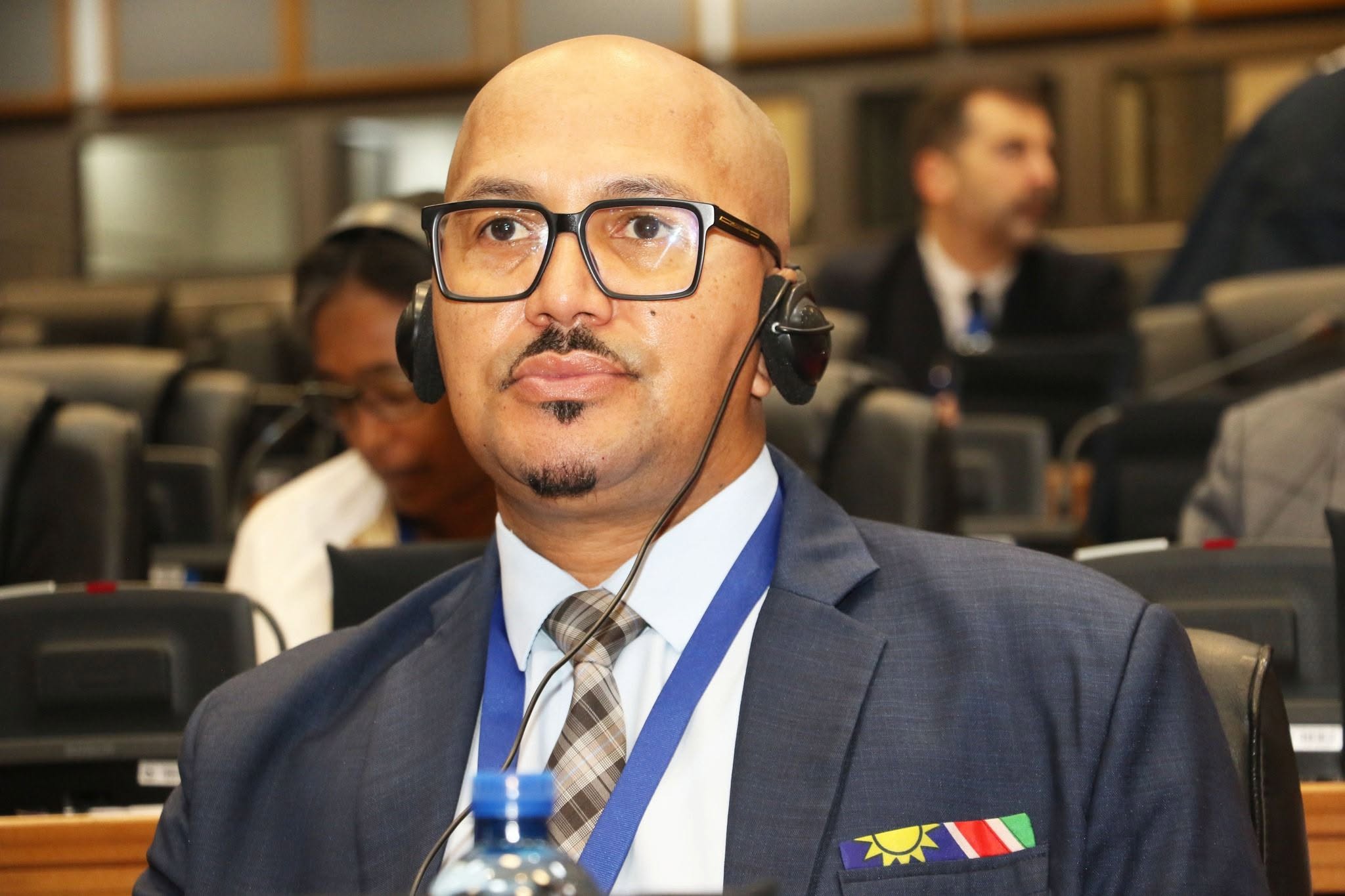
In a statement on Wednesday IPC parliamentarian and shadow minister of international relations and trade, Rodney Cloete warned that the government should not borrow against future oil revenues until at least one major project has taken a Final Investment Decision.
“Talking about “borrowing against future oil wealth” sounds bold and developmental. It creates the impression that the government is preparing for the boom. It allows officials to claim they are thinking ahead. The actual
costs, higher interest payments, reduced fiscal space, potential debt distress if production is delayed or volumes disappoint, will fall on a future government and on ordinary Namibians years from now,” he said.
According to Cloete the calls by Mbuende also goes against advice from the Bank of Namibia which recently advised against borrowing using future oil resources.
Cloete said the Minister of Finance and the NPC Director-General must explain to Parliament why the central bank’s explicit advice is being disregarded only weeks after it was given.
Government must first demonstrate that it can control current spending and stop the continuous rise in debt before it starts pledging future resource revenues, he said.
He said the government must strengthen the Welwitschia Fund into a genuine intergenerational petroleum fund instead of treating future oil as a convenient credit line.
Cloete said Namibia should learn from mistakes made by other countries including Angola, South Sudan, the Republic of Congo who used their resources to borrow with minimum success.
“One arm of government (the central bank charged with protecting financial stability) is warning that we are already in dangerous debt territory and must not mortgage oil that does not yet exist.6. Another arm (the planning commission) is casually floating the idea of doing precisely that,” he said.
Cloete raised concern over the viability of such an idea after Shell wrote down US$400 million on its Namibian discoveries because the geology is more difficult than first hoped.
He also referred to the prolonged decision by TotalEnergies to make a Final Investment Decision on Venus as another on the complexities of the oil industries to adequately back Namibia’s borrowing plans..
- First oil remains at best 2029, yet senior officials are already speaking as if
the money is certain and large enough to underwrite a “trillion-dollar
economy” in five years.
The IPC also questioned the rationale behind Namibia targeting a trillion-dollar economy from a current Gross Domestic Product of roughly US$17 billion as ‘political poetry’.
“ These contradictions are not accidental. They reveal a system in which
different parts of the state pursue different political interests rather than a
coherent national strategy. The central bank is trying to protect the currency and long-term stability. The political and planning machinery is trying to manage public expectations and secure narrative control over
the coming oil rents,” he said.
COMMENTS