
TIRI MASAWI
The government is preparing to take over the operational costs of the Namibia Green Hydrogen Programme, which has relied heavily on donor funding since its establishment in 2021.
The move comes as the programme seeks to unlock potential investments worth N$16 billion. Industry sources say delays in government funding have frustrated donors and could put future funding at risk.
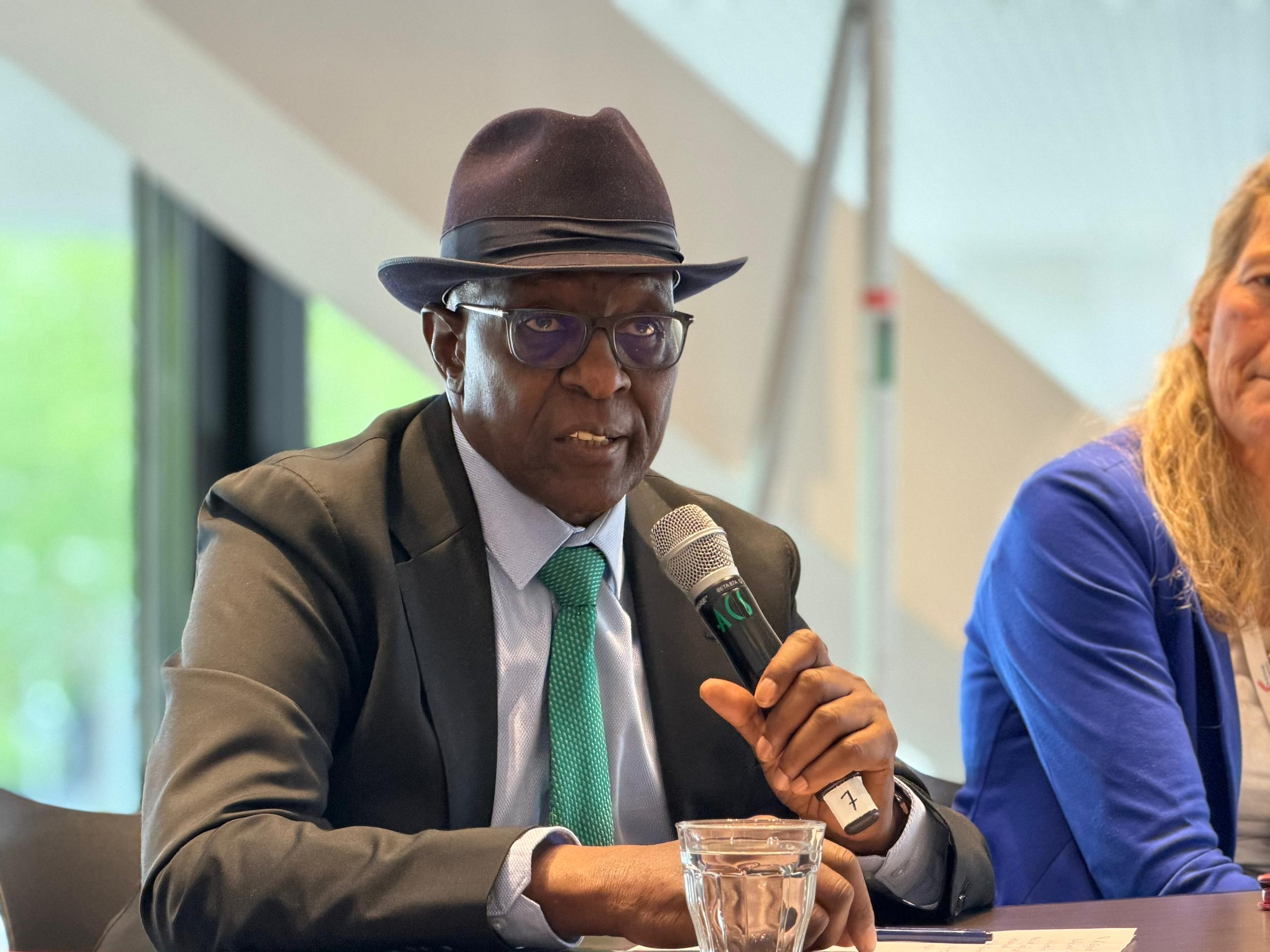
National Planning Commissioner Kaire Mbuende told Namibia Business Review last week that the decision to take over the programme’s operating expenses was at an advanced stage.
“Namibia Green Hydrogen Programme was established with significant support from international development partners, enabling the Government to lay the foundations for the development of this emerging sector,” Mbuende said.
Mbuende added “as the initial grant arrangements mature, the priority is to ensure that the Programme’s core functions are integrated into government structures and planning processes, reducing long-term dependence on donor funding.”
COSTS AND STRUCTURE
The government is working through the programme’s future structure and related issues to determine the cost of taking over its operations.
The programme has four executives: Acting Head Joseph Mukendwa; Head of Impact, Environmental, Social and Governance Eline van de Linden; Head of Transaction Nikol Anuschka Hearn; and Head of Programme Management Nerago Ndoroma-Ndeitunga.
It also has two middle managers: Manager of External Affairs and Communication Jona Musheko and Senior Engineer Witness Martin. Five other experts work in the programme’s lower operational ranks.
The programme has relied on donor grants to cover its daily operations and support green hydrogen projects across the country.
Spokesperson Jona Musheko said the programme had received US$125.5 million (about N$2 billion) since its establishment. The funding has supported operations and the development of the green hydrogen sector.
Industry sources told Namibia Business Review that the government’s failure to fund day-to-day operations had upset donors, who wanted to see a stronger financial commitment from the state.
“While donors are keen on maintaining the programme afloat and operational, they have been waiting for the Namibian government to put their money where their mouths are to prove that they are keen to drive this,” a source said.
Another source warned that the lack of government funding could also delay further funding for Namibia’s green transition.
“Currently the programme is looking at projects that are worth N$16 billion in terms of potential investment and all these will stall if the programme is not supported or the government does not play its part,” the source said.
COMMITMENT
Mbuende said the government’s commitment was part of a wider plan to advance green industrialisation and attract long-term investment.
He said Namibia would need more than N$980 billion to realise its green hydrogen ambitions. The government would work with development partners to mobilise private-sector capital, development finance and other domestic and international funding.
“The government’s role is to establish the policy, regulatory framework and infrastructures that are necessary to attract and facilitate investments,” he said.
The government is also reviewing tax measures and developing proposed Special Economic Zone legislation to support long-term industrial investment.
Mbuende said the Income Tax Amendment Act of 2024 allows companies in the mining, petroleum and green hydrogen industries to carry assessed losses forward for up to ten years, compared with five years for other taxpayers.
The proposed Special Economic Zone framework could also include competitive corporate tax rates and potential duty and value-added tax relief for eligible capital equipment.
EU BACKS GREEN TRANSITION
European Union Ambassador to Namibia Ana Beatriz Martins said the bloc remained committed to supporting Namibia’s green industrialisation.
She said projects such as HyIron, Cleanergy and Daures had completed their first-phase pilot facilities, demonstrating applications ranging from green iron production to green ammonia for maritime transport and fertilisers.
HyIron’s Oshivela plant has reached an initial production capacity of 15,000 tonnes of green iron a year. The company has also secured an offtake agreement with a European steelmaker for up to 200,000 tonnes of direct reduced iron annually, Martins said.
According to the Namibia Green Hydrogen Programme’s Mid-Year Review 2025, the sector has attracted more than N$2 billion in investment, created over 800 jobs and channeled about N$170 million to local small and medium-sized enterprises.
“To help sustain and expand these gains, the EU supports the development of the regulatory and legal framework, skills, and government and civil society capacities in Namibia’s renewable hydrogen sector,” she said.
Martins said EU-funded operations were subject to due diligence, contractual safeguards and ongoing monitoring. Projects financed by the European Investment Bank must also meet its environmental and social standards.
She said the EU could take action if there was evidence that its funds had been used improperly.
“The partnership supports sustainable industrial development, economic diversification, job creation and local value addition,” she said.
COMMENTS