
…Analysts raise red flags over CEOs acting in position for a long time
STAFF WRITER
Industry experts have raised concerns about weak oversight, accountability, and performance management at eight key state-owned enterprises (SOEs) currently led by acting executives.
From meat to diamonds, oil to roads, some of Namibia’s key parastatals are drifting on autopilot under acting chief executive officers. With acting bosses in charge for months, analysts say tough decisions are being delayed, accountability is blurred, and the risk of failure is growing.
The parastatals regarded by analysts as running on autopilot include the Meat Corporation of Namibia (Meatco), National Petroleum Corporation (Namcor), Namibia Post Ltd (NamPost), and Namibia Industrial Development Agency (Nida). Others are Namib Desert Diamonds (Namdia), Namibia Investment Promotion and Development Board (NIPDB), Roads Contractor Company (RCC), and Namibia Wildlife Resorts (NWR).
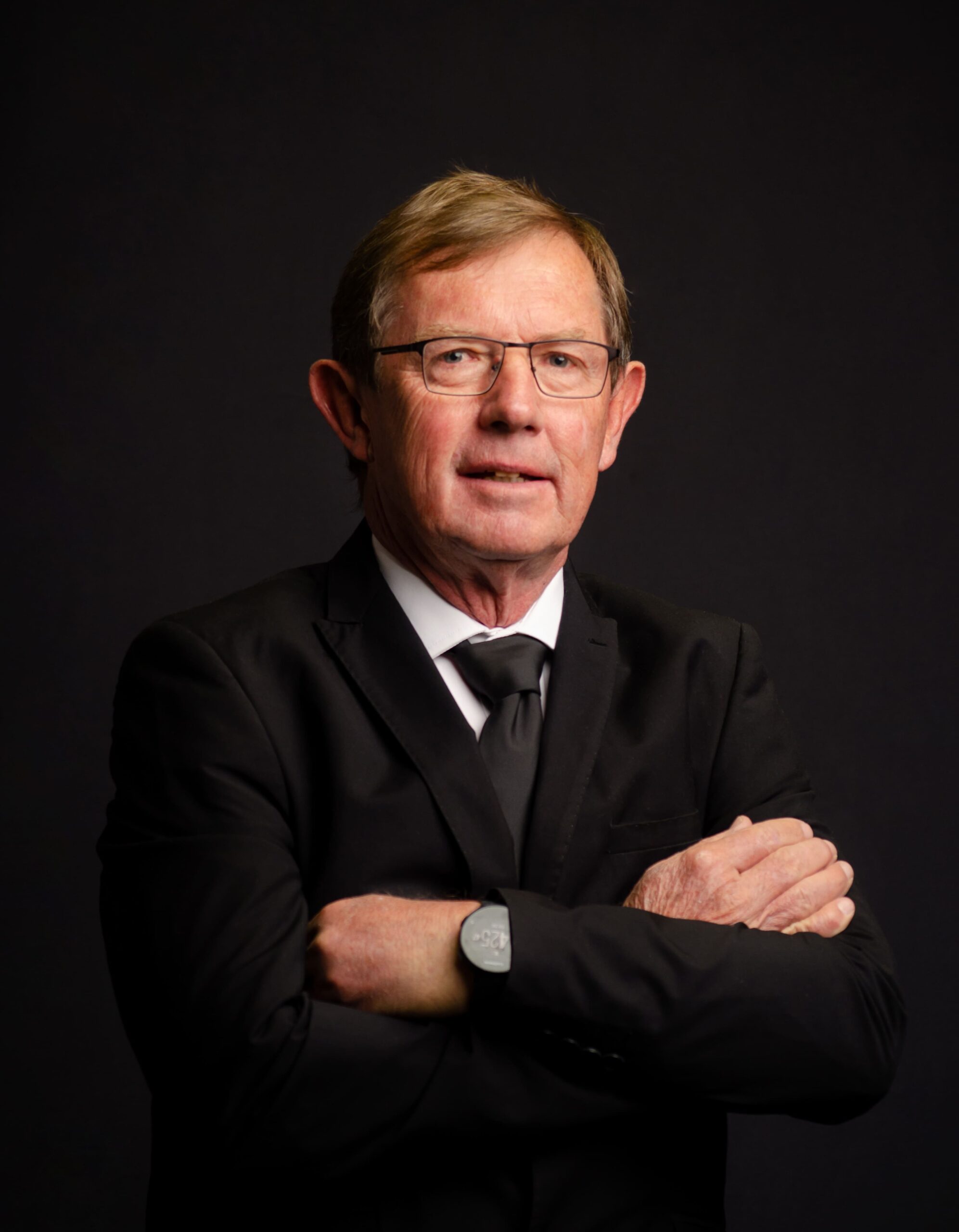
In an interview with Namibia Business Review, Namibia Institute of Corporate Governance chairperson Steve Galloway said acting CEOs often work with limited mandates, uncertain tenure, and reduced authority to implement meaningful reforms.
“Long-term strategy requires difficult trade-offs, restructuring decisions, and sustained stakeholder management, work that is harder to execute when the top role is temporary and perceived as uncertain,” he said this week.
In practice, Galloway said “organisations tend to defer major decisions, over-index on short-term fixes, or avoid high-stakes reforms that could be reversed by an incoming substantive CEO.”
Galloway warns that prolonged acting periods increase vulnerability to informal power centres and political or stakeholder pressure, as interim leaders may be seen as “temporary” and easier to override.
“International SOE toolkits emphasise stable, competent leadership to protect value and integrity,” he said.
Galloway criticises persistent delays in appointing substantive top management, describing it as a governance failure when temporary arrangements become the operating model.
“A board and shareholder/ownership authority have a duty to ensure leadership continuity with clear accountability, including timely succession and appointment processes,” he said.
He adds that globally, boards are urged to treat succession as a core governance discipline, not an ad hoc event.
“Recent board-focused research continues to highlight how weak succession processes and protracted transitions create avoidable organisational risk,” Galloway said.
Corporate governance expert Ntelamo Ntelamo echoes these concerns, saying that running a public enterprise on “autopilot” often results in suboptimal performance as acting CEOs hesitate to fully exercise their authority.
“When unsure if they make major decisions they could be challenged and face uncertain consequences, they begin to tread carefully and suppress enterprise,” he said.
Ntelamo attributes the lack of substantive CEO appointments to weak boards.
“Prolonged acting spells at that level imply there is a weak board of directors in place. Competent boards will fill such critical vacancies without unnecessary excuses,” he says.
AUTOPILOT PARASTATALS
At Meatco, prior to the appointment of acting CEO Albertus Aochamub in September 2025, the company faced a leadership crisis following the July 2025 suspension of acting CEO Patrick Liebenberg over the disappearance of hundreds of cattle and allegations of mismanagement. A mid-2025 Cabinet attempt to reinstate former CEO Mwilima Mushokabanji triggered the resignation of board chair Sakaria Nghikembua due to political interference.
Aochamub was appointed in September 2025 for a 6-month period ending in February.
“His vision, strategic insight, and wealth of experience will be invaluable as the company strengthens its role in serving local customers while expanding its reach across regional and international markets with premium Namibian beef products,” the board said at his appointment.
Namdia continues to recover from the dismissal of CEO Alisa Amupolo and a massive diamond heist scandal. Amupolo’s contract was terminated in October 2025 after a disciplinary hearing found her guilty of gross negligence and insubordination. Kelly Usiku currently serves as interim CEO amid ongoing litigation against security providers.
At the time of appointment Namdia board chairperson Justus Hausiku expressed confidence in Usiku’s ability to run the company until the appointment of a substantive CEO.
Namcor has seen four interim heads in less than two years, following the 2025 arrests of former MD Immanuel Mulunga and 10 others on fraud and money laundering charges involving over N$480 million. Current interim managing director Maureen Hinda-Mbuende was appointed in August 2025, succeeding Victoria Sibeya (April–August 2025), Ebson Uanguta (January 2024–March 2025), and Shiwana Ndeunyema. The company reported a N$1.2 billion loss in 2022/23, and the court case against former leadership was postponed to 19 March.
Hinda-Mbuende’s appointment faced criticism at the time with opponents questioning whether she has what it takes to manage the entity.
Honda-Mbuende’s acting tenure ends this month.
In an interview with New Era last month, Hinda-Mbuende said she found the task given to her exciting.
“When I arrived, staff morale was very low, internal control systems were not reliable, and I think for most of my colleagues at Namcor, they were very sceptical of this politician called Maureen coming to head their company. But I must really say that it has been a good journey; we are changing a lot of things as a team, and the staff’s morale is quite high now. The company’s board has truly been very supportive, and I must thank them for that,” Hinda-Mbuende said.
Nida has also faced severe instability and allegations of mismanagement. Acting CEO Richwell Lukonga was dismissed on 1 July 2025 after his 35 000-job strategic plan was rejected by the Ministry of Finance and Public Enterprises. Phillip Namundjebo now serves as acting CEO, as the agency faces scrutiny over failed industrial projects, unauthorised executive appointments, internal feuds, and a controversial N$27 million contract.
“Mr. Namundjebo brings extensive institutional knowledge and a strong track record in driving investment and industrial development. His leadership will ensure continuity and stability as NIDA continues its mandate to advance Namibia’s industrialisation agenda,” NIDA board said during the appointment.
At NIPDB, founding CEO Nangula Uaandja stepped down on 31 December 2025 after her five year contract lapsed. Jessica Hauuanga now serves as interim CEO following a strategic shift that placed the agency under the Ministry of International Relations and Trade.
At the time of appointment, NIPDB spokesperson Catherine Shipushu said the board of directors has faith in Hauuanga’s capabilities to lead the NIPDB during this transitional phase of its growth and wishes her well in this role.
“We encourage all our stakeholders to extend the same support afforded to Nangula Uaandja in ensuring continuity and maintaining investor confidence,” she said in a statement.
NWR faced turmoil after Dr Ngwangwama’s departure, resulting in a N$1.5 million settlement over a breach-of-contract suit. Acting appointments followed, including Epson Kasuto and Elsa Porfirio, after a permanent recruitment process was cancelled in mid-2025. Public scrutiny over safety standards and service quality at NWR facilities has intensified.
Former Namibia Wildlife Resorts managing director Matthias Ngwangwama this week said failure to appoint a substantive MD or CEO is a serious governance failure.
“A board cannot be said to perform its oversight and fiduciary duty effectively and satisfactorily without an accountable and substantive MD/CEO,” he says.
Ngwangwama warns that boards unable to make substantive appointments risk eroding independence between the board and management, as acting leaders may align with board interests to secure permanent positions.
“I think it has to do with lack of understanding and being non-committal to the values of governance by senior organisational leaders, namely board members. Not taking governance seriously. Secondly, I think it has to do with competing views and wishes of key stakeholders (boards and shareholders),” Ngwangwama explains.
He emphasises that the Public Enterprises Governance Act of 2019 must be implemented properly.
“It is not about reforms. Policies and governance codes are clear. It is about board members returning to the core values of corporate governance, and respect of rules-based dispensations instead of opting for personalised wishes, self-love and self-will.”At RCC, CEO Dasius Nelumbu has been acting in that position since 2024. NamPost is led by acting CEO Eldorette Harmse, who took over following the planned retirement of long-serving CEO Festus Hangula.
COMPETENCY
Analyst Galloway believes SOEs must prioritise competency-based role profiles, independent assessments, structured shortlisting, and transparent processes to strengthen credibility and reduce perceptions of arbitrariness.
“SOE boards must be empowered to appoint and manage executive leadership based on merit and performance, with the state acting as a professional owner rather than an operational manager,” Galloway says.
He stresses that whether acting or substantive, the CEO role must be governed by measurable deliverables, reporting cadence, and consequence management so that interim leadership does not become a loophole for weak accountability.
Analyst Ntelamo said that independent, competent boards do not get dictated to by a shareholder minister and act in the SOE’s best interest.
“They will ensure timely recruitment of a substantive CEO rather than sit around waiting for directions from the shareholder. A board that limits its own powers knows nothing about the peculiar position of a board of directors,” Ntelamo notes.He emphasises that delays of six to twelve months in appointing substantive CEOs represent governance failures.
“Critical to the sustainable governance of SOEs is a very simple fact: the appointment of competent and uncompromised directors. This ensures the insulation of SOEs from unguided interference of every kind, and engenders accountable governance and leadership,” Ntelamo says.
COMMENTS