
STAFF WRITER
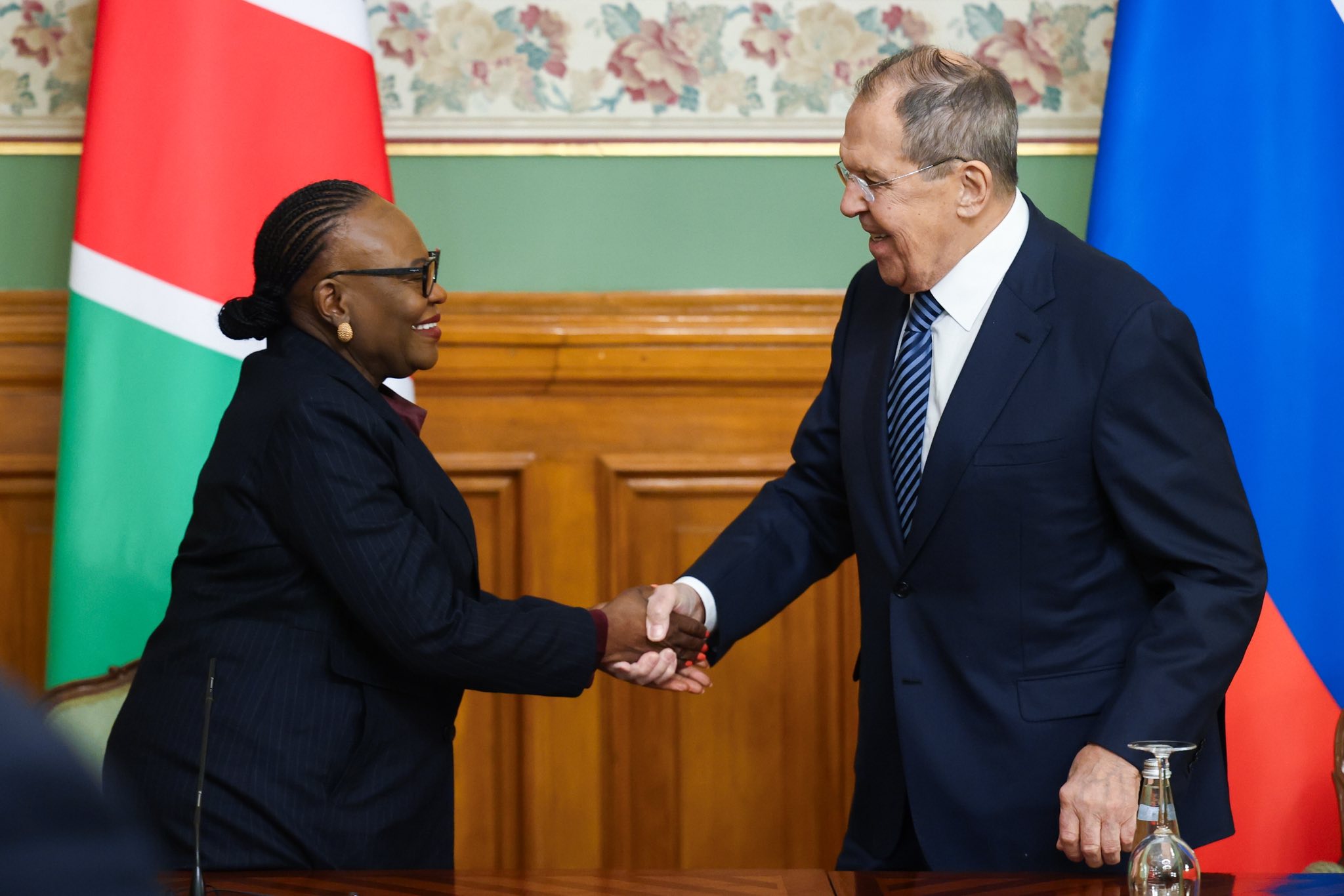
Minister of International Relations and Trade Selma Ashipala-Musavyi says Namibia and Russia will host an Intergovernmental Commission (IGC) and Business Forum from March 16 to 17 in Windhoek.
Speaking at an engagement with editors of the various Namibian media houses, Ashipala-Musavyi the meetings with Russian officials aim to “move beyond diplomatic talk to bankable projects.”
“We will discuss various areas of cooperation, including nuclear energy and ways to improve trade relations,” Ashipala-Musavyi said.
The Russian visit follows Ashipala-Musavyi’s trip to Russia last year, where she explored potential uranium energy partnerships. Russians are exploring uranium in the Stampriet area of Omaheke region. The project faces resistance from environmentalists and farmers concerned about its impact on groundwater. Stampriet is home to Namibia’s largest water aquifer, which also stretches into Botswana.
Ashipala-Musavyi said Namibia seeks Russian expertise in geological exploration, agriculture, and energy infrastructure. She emphasized the need to keep Namibia’s mineral wealth in the country through local value-addition facilities.
Last week, the state-owned New Era reported that the Parliamentary Committee on National Resources, chaired by Tbie Aupindi, believes the project could change Namibia’s financial fortunes. The project is run by Uranium One, a subsidiary of Russia’s energy conglomerate Rosatom.
The minister also highlighted Namibia’s engagement with Asian and Middle Eastern partners. She said these efforts focus on beneficiation and resource diversification. Missions to Singapore and Japan have led to actions in port management and green energy.
She mentioned the Namibia-Korea Green Port Strategy signed in February 2026. It supports a ten-year plan to modernize the country’s logistics infrastructure. She also pointed to Namibia’s historic cooperation with Germany on projects like the HyIron plant, Africa’s first zero-emissions iron facility.
“The global landscape is shifting,” Ashipala-Musavyi said. “Trade is no longer just about economics; it is part of geopolitical strategy. Tariffs, supply chains, and market access are now tools of global influence.”
She added that the Ministry of International Relations and Trade (MIRT) has a clear mandate: to secure Namibia’s industrial future by combining foreign policy with trade promotion.
“Our 2025–2030 Strategic Plan aims to move Namibia from a passive exporter of raw materials to a sophisticated, value-added producer,” she said. “MIRT’s role is to create market access. Think of us as Namibia’s chief marketing agency abroad.”
COMMENTS