
TIRI MASAWI
The Namibia Power Corporation (NamPower) is turning away some companies that want to build new renewable energy projects because the country does not have enough reliable electricity to support them.
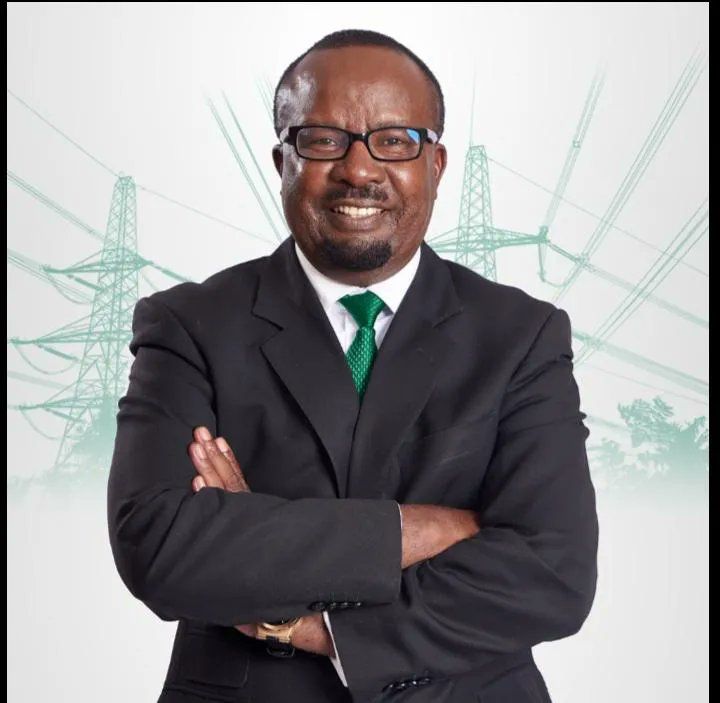
Outgoing NamPower Managing Director Kahenge Haulofu said the country needs enough steady power, known as baseload, before more solar and other renewable energy projects can be added to the electricity system.
“We are simply turning them away because we do not have base load to accommodate new solar projects. Renewables alone are not sufficient to carry Namibia’s power needs. We need a baseload of power to be able to carry most of these proposed projects,” Haulofu said.
There are many companies approaching NamPower with proposals for renewable energy projects, but the utility cannot proceed with some of them because there is not enough baseload capacity, he said.
Haulofu was speaking last week as NamPower marked its 30th anniversary and launched its Integrated Strategic Business Plan for 2026 to 2030.
He said Namibia needs urgent measures to improve its baseload capacity if the country’s plans for a greener energy future are to succeed.
Baseload refers to the minimum amount of electricity that must be available continuously to meet the country’s basic power needs.
Over its 30-year history, NamPower has invested more than N$21.8 billion in infrastructure, while its asset base grew from N$3.8 billion in 1999 to N$59 billion.
Haulofu said NamPower has set targets to improve the country’s electricity supply by increasing generation capacity through several projects at different stages across the country.
Among the projects expected to come onto the grid are the 100MW Gaib Solar PV Project at Rosh Pinah, expected to be commissioned in the first quarter of 2027, and the 44MW Diaz Wind Project, scheduled to come online in late 2026.
The 20MW Khan Solar PV Plant is a private-sector generation project, while the 80MW Omburu Solar PV II Project is planned for completion by late 2028.
The Otjikoto Biomass Project in Tsumeb is expected to produce 40MW from biomass-to-energy and is slated for 2027.
Other projects include the 50MW CERIM Wind Project, the 51MW/51MWh Omburu Battery Energy Storage System and the 45MW/90MWh Lithops Battery Energy Storage System in Arandis, which is targeted for completion by the last quarter of 2028.
The plan also lays the groundwork for projects after 2030, including a 300MW Mega Wind project, a 475MW gas-to-power project and the 440MW Baynes Hydropower Project, expected around 2032 to 2033.
NAMPOWER OWED N$557 MILLION
Haulofu also criticised local authorities for failing to pay their electricity bills to NamPower.
“There is not even a blue cent coming from them. They collect money from Namibians and they keep the money for themselves without paying NamPower. We cannot operate a system where one has to pay and another is excused,” he said.
NamPower’s total overdue debt is currently close to N$960 million, with local and regional councils owing N$557 million of that amount.
The debt owed by local and regional authorities is increasing by about N$10 million a month, according to NamPower.
Major defaulters include the Mariental Municipality and Karasburg Municipality.
NamPower’s strategic plan identifies widespread non-payment as a major problem because it reduces the money available to the utility, delays important grid maintenance and limits its ability to fund the large infrastructure projects planned for the coming years.
Haulofu said NamPower is increasingly having to deal with the debt problem through political intervention instead of normal business processes.
“We are now managing this situation with politics instead of business. We expect them to pay their dues but this is not happening. Recently I was in Rehoboth to manage the situation politically but there is still no payment,” he said.
COMMENTS