
STAFF WRITER
Namibia and Angola are pushing for the construction of the Baynes Power project which has been under planning for years.
The project features an 860 MW main dam with a 200-meter wall and a 40-kilometer reservoir, supplemented by a 21 MW regulating dam , creating potential for an annual generation of approximately 1,610 GWh of clean energy, split equally between both nations.
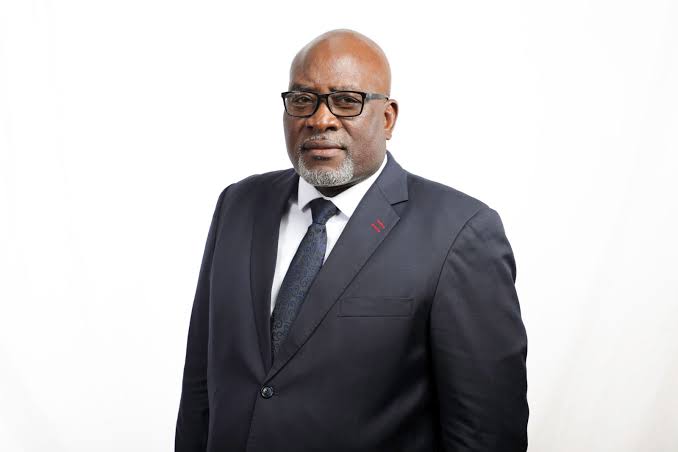
Minister of Industries Mines and Energy Modestus Amutse said the two countries need to move from planning to implementing the project which will radically transform regional power dynamics by reducing Namibia’s reliance on costly electricity imports and enabling Angola to export its surplus power.
Integrated via the Angola-Namibia (ANNA) transmission lines, it will connect Angola to the Southern African Power Pool (SAPP), stabilizing the grid and driving sub-Saharan energy trade.
“ We are all cognisant that this Project has been under planning for many years, with the first studies on the initial Epupa site undertaken in the 1990s and the feasibility studies on the Baynes site undertaken since 2008. It has been an extremely lengthy process,” Amutse said.
He said it is time to bring the development phase to a clear conclusion and move towards the construction of this much-needed energy infrastructure project.
“Against that background, the strategic importance of the Baynes Binational Hydropower Project cannot be overstated. Namibia remains a net importer of electricity from its neighbours, and we are fortunate to benefit from strong and
mutually beneficial regional relationships. This project is therefore a necessary enabler of energy security for our two countries and, by extension, for the wider region,” Amutse said.
He said the two governments have resolved to develop the project through a public implementation model, with funding being mobilised in a manner that supports competitive and affordable tariffs for end consumers.
“I understand that the Baynes Project Implementation Unit and its financial advisors have developed a Funding Strategy for the Project, which will now be presented to the two Governments for consideration and determination of the most suitable funding model,” Amutse said.
Amutse also commended developing partners including the African Development Bank, the Swedish Fund, the Korean Fund, the African Legal Support Facility for providing grant funding and technical support.
COMMENTS