
… understanding the potential impact
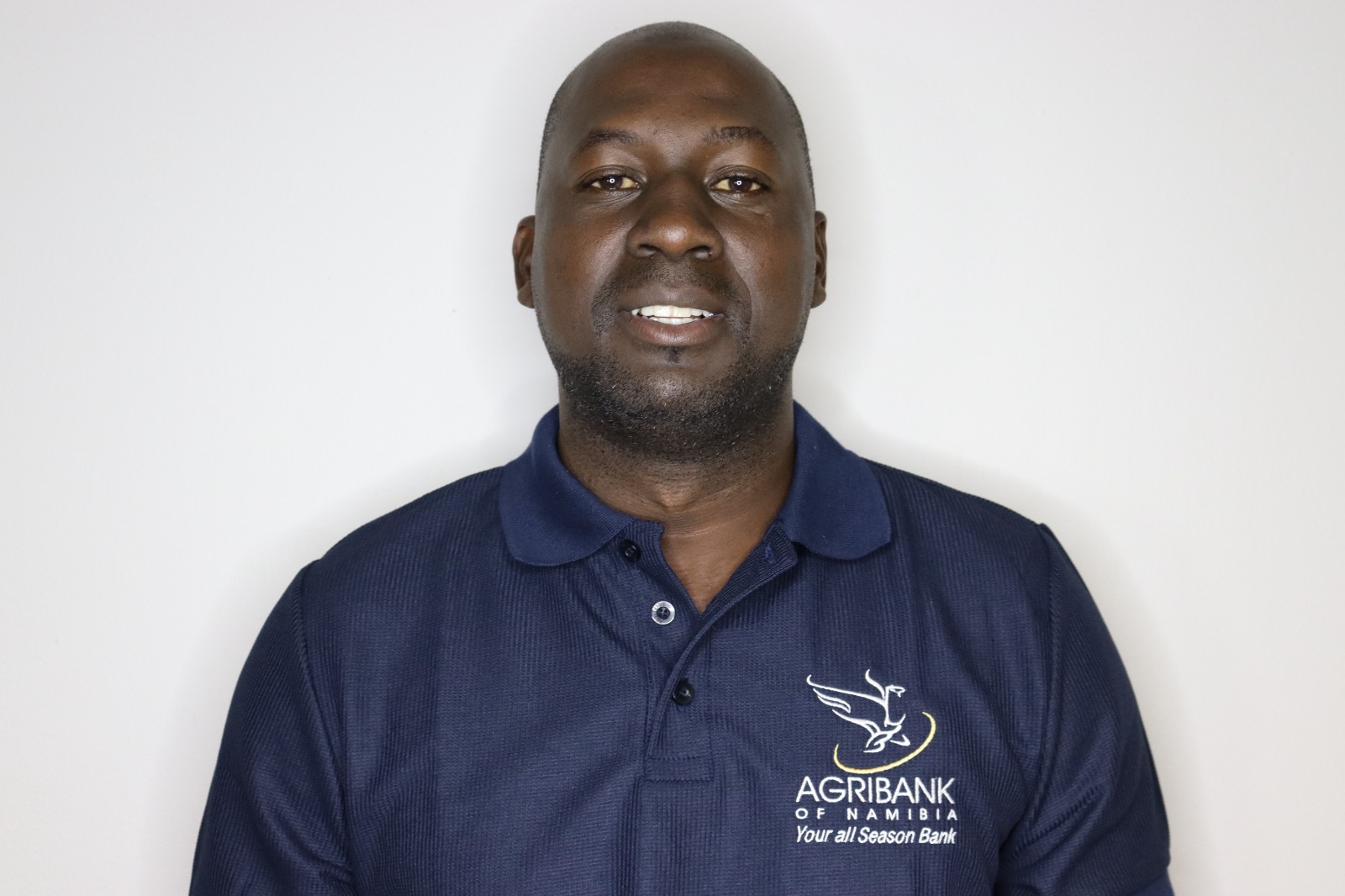
Erastus Ngaruka
The agricultural economy of Namibia relies heavily on livestock production, which is valued at more than 6 billion Namibian dollars.
Beef production in particular contributes significantly to the country’s GDP . However, livestock production in Namibia faces several challenges, including climatic events such as droughts and floods, as well as the prevalence of livestock diseases, amongst others.The development and sustainability of Namibia’s beef industry has relied on export markets such as the EU, UK, Norway, and South Africa amongst others. Besides the recurrent challenges, the industry has shown resilience and market expansion, where new destinations such as China, the US, the Middle East, and other African markets are targeted.
This growth can be attributed to a well-organized sector in terms of governance and compliance efforts with international trade protocols, and the World Organization for Animal Health (WOAH).
Therefore, compliance with animal health regulations serves as a key factor for market access, which enhances consumer confidence in our livestock and associated products.
This compliance also ensures the competitive survival of our meat industry against major global producers.
Despite Namibia’s excellent animal health status, the country is surrounded by the imminent threat of Foot-and-Mouth Disease (FMD) prevalent in neighbouring countries, mainly South Africa, which has struggled to contain the spread of the disease. It is reported that FMD has been confirmed in the northeast district of Botswana and lately suspected in the Northern Cape of South Africa, which borders Namibia in the south.
This is an indication that the disease is spreading rapidly and Namibia is at risk.
To this end, Namibia’s livestock industry players should be on high alert and prepare to manage the consequences of an outbreak. There are concerted efforts from the government through its Directorate of Veterinary Services (DVS) together with industry players such as the Livestock and Livestock Products Board of Namibia (LLPBN) to strengthen inspection and biosecurity measures at all borders.
These include the disinfection of vehicles and people, and movement restrictions on livestock and their by- products from South Africa.
These efforts require every stakeholder, including all GRN institutions and the private sector to collaborate in preventing an outbreak in any possible form, as the consequences would be devastating to every economic sector of the country that employs farmers and consumers. Furthermore, farmers’ unions/associations, cooperatives, retail shops, butcheries, lodges, hotels and restaurants, and every individual farmer and consumer need to come on board to protect the industry and the
economy from collapsing.
The possible impact of FMD in brief:
- Loss of export markets and income: the country would be stripped off its longstanding status with its lucrative markets, losing current and potential future markets.
- Increased GRN spending: the government would be obliged to increase budgetary spending on agriculture, especially towards vaccination campaigns and biosecurity measures against FMD. This may redirect some funds from other developmental needs.
- Low livestock prices: prices will drastically decline due to lower demand for livestock and the by-products, and from an oversupply of livestock within the country due to the loss of export markets.
Increasing cost of production and food prices: certain costs of production such as veterinary will increase, and thus force price increases for certain products such as milk.
- Increased debts and poor repayments: the reduced incomes (household or business) could spike borrowing or failures to repay farm business loans due to reduced livestock sales and strains on salaries and disposable incomes to fulfil loan obligations with banks or other lenders.
Loss of employment and household income:
- Farm workers: due to loss of farm business and income, the farm workforce would be reduced, retrenched, or face pay cuts. Casual workers are highly vulnerable.
Abattoir workers: with reduced demand for meat or closure of markets, the abattoirs would reduce or close their operations. Thus, the workforce would be reduced or retrenched, thus affecting household disposable income.
- Truck drivers and load masters: With restricted livestock movement, transport operators could come to a standstill, laying off drivers and loading masters. This could in turn affect fuel suppliers and motor mechanics businesses that provide services to the transportation industry.
- 6. b. d. Input suppliers: With no or reduced farm production and loss of farm income, the supply of animal feeds, ear tags, fuel, and breeding animals will be reduced. In turn, suppliers would reduce their workforce due to reduced sales and business income.
- Vendors: restricted movements and consumption of livestock by- products could cripple informal businesses such as the common Kapana vendors who would not be able to buy or move beef for sale.
What can Namibia farmers basically do to assist the government and to safeguard their livelihoods?
- 1. Adherence and Reporting: Please adhere to the proposed disease control protocols, especially at borders or entry points. Report any suspicious movements of livestock from affected areas or country, and report any suspicious symptoms related to FMD to the relevant authorities.
- Information updates: Keep updated with relevant information from reliable
sources (e.g. GRN, MAWLR/DVS, LLPBN and farmers’ unions).
- Biosecurity: Implement appropriate internal biosecurity measures at the local level, e.g. auction sites, farm gate, kraal gate.
- Emergency livestock sales: Sell the least productive animals or the “kraal fillers”
while their body conditions and prices are favourable before the outbreak hits.
These could be old cows, barren cows, poor performers, oxen, and castrates. This action needs to be well calculated, but with no delay, as we cannot predict what may happen regarding the spread of the disease.
- Emergency savings and sustainable spending: save money from emergency livestock sales, or use sales income to take care of workers’ wages, feeds and veterinary costs, fuel, household costs such as food, medical, education, and upkeep or sustenance of livelihoods in the meantime.
Resilience: farmers need to be brave, positive, patient, ambitious and strategic to survive through this difficult time, just as they did previously during challenges of covid19, lumpy skin disease, droughts, floods, and pests (locusts) amongst others.
Erastus Ngaruka is the Technical Advisor: Livestock and Rangeland Management at Agribank
COMMENTS